Casa de la Mujer – A Women’s Enrichment Center

casa-mujer

Back in August, an energetic Expat, with fiery red hair, came into our office to talk to one of our sales agents about paying taxes on her property.  In the course of the conversation, I overheard her mention a defunct women’s center, in town, that she was trying to get up and running again.  I quickly introduced myself to Bonnie and asked that she keep me up to date on the center and let me know how I could become involved.  Having previously worked in a women’s shelter for pregnant and parenting teens, back in Boston, I was drawn to this cause.  Fast forward 4 months and I am deep in the thick of it, along with Bonnie, two other Expats (Lee and Rachel), and 3 local Nicaraguan women: Doña Mayra (the director of the center), Thelma, and Argelia.  
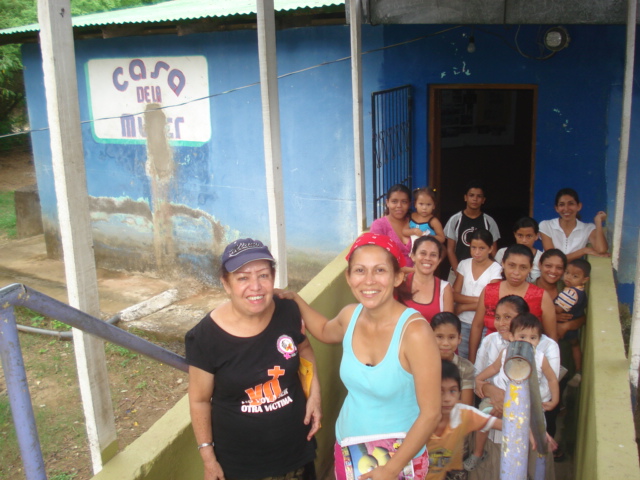
Mayra, Argelia, and children of some of the women

Mayra, Argelia, and children of some of the women

Since our first meeting on November 5, 2008, we have exchanged countless emails, held a fundraiser, opened a bank account for the organization, created an informational blog about the center, and established our mission, goals, and planned services.  This past Saturday, we  also had an information table at a local community event, in the park and sold over $100 in raffle tickets.   Most exciting is the prospect of a one-day free medical clinic that we might be able to host toward the end of the month.

Already, this experience has proven to be incredibly fulfilling.  I look forward to meetings when we share the hopes we have for the center and discuss the areas in need of improvement. I truly enjoy  working with local women, working on my Spanish with them, and learning the cultural nuances of a Nicaraguan-Ex-pat steering committee.  The people on this board both inspire me and challenge me to re-think many of my own preconceived ideas.  

In the coming months, we hope to paint the exterior of the women’s center, continue English classes with a formal schedule, begin a cooperative daycare so that the women can work, and lead courses in hospitality services.  If you find yourself reading this and wanting to get involved, either thru hands-on work or a donation, please feel free to contact me via this blog.  For more information, check out our Casa de la Mujer blog.

Gratitude Journal, day 1

Homesickness is inevitable when living abroad, at least for me.   Being far from family and friends back home is difficult, especially around the holidays.  I was fortunate that with the exception of an occasional tear, I managed to all but avoid this sadness until our return from our last trip home…in September.   

Since then, I’ve found it easy to ruminate on the things that make me miss home – New England’s fall colors, my adorable niece and nephew, Thanksgiving dinner with my family, snow.

Yet, I also know that one day, I will look back on this experience in Nicaragua and find myself missing nacatamales for Sunday breakfast, the view of the Pacific from my front door, and the good friends I’ve made here.  So, I have decided to begin a gratitude journal, in order to focus my energies on the amazing things in life:

Things for which I am grateful…

~My Family, including Justin, Mom, Dad, Cathy, Paul, Gracie, Paul, Diana, Matt, Mary, Collen, Tina, Caitlin, and my entire extended family

of50590393

Our wedding day


~My Husband for being so understanding, supportive, and loving

~My Friends, both in the States, and here in Nicaragua (who have become my second family)

~Cooper

~My Health

~Being able to sit outside my house, atop a hill, under the shade of the trees and feel the warmth of the sun on my back – in November!

~Fatima for cooking us tasty lunches everyday

There’s plenty more to list – for another day.

Gratitude

Sadly, Nicaragua has not received the greatest press these days thanks to the lack of transparency and the assertion of fraud during the recent municipal elections.  Our sleepy little fishing village of San Juan del Sur has kept us pretty removed from the rioting and protesting across Managua and Leon that has made headlines as far away as the United States.  However, we have seen the concern and discouragement across the faces of the local and Expat communities alike. 

Amidst the chaos and turmoil, Justin and I went to a church service in memory of a friend’s mother who recently passed away.  I do not pretend to be a religious person by nature or practice, but there is something comforting in the reliability of religious customs across cultures that surpass language barriers.  Though I spent very little time in a Catholic church growing up, even I was able to recognize many of the rituals from the sign of peace to the “Word of God” response and many more.


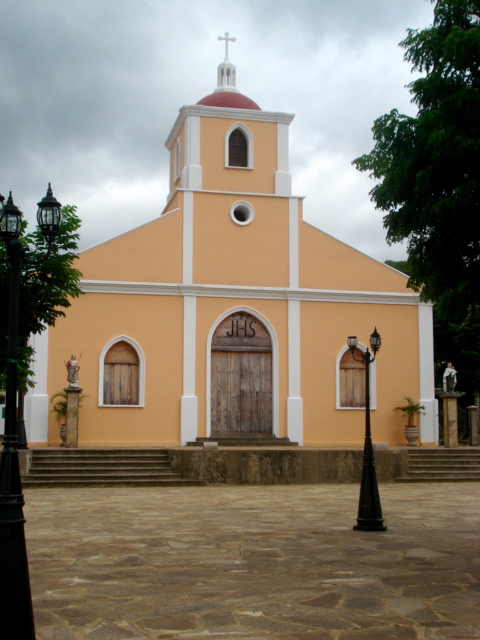
San Jun del Sur Church

San Jun del Sur Church

Towards the end of the service, a young girl, dressed to the nines, with a small crystal tiara perched atop her wavy dark hair, approached the altar with, two adults who I later figured to be her parents.  In a very public, yet incredibly private moment, the young girl cupped first her mother’s then her father’s face in her hands and began blessing them, between tears of apparent joy.  Once complete, both parents returned the gesture by first blessing their daughter and then embracing her.  The priest, who I might add, had a near-perfect radio announcers register, oversaw this brief ceremony by uttering words of encouragement to the entire family.  Upon completion of the service, I noticed a handful of other young girls, dressed for a party and realized that this was the religious ceremony for the girl’s Quinceañera – the celebration of a young woman’s 15th birthday.

Witnessing this brief, but significant moment in a stranger’s life reminded me of my own family and how thankful I am to love and be so loved by them.  As our world struggles with the economy, politics, wars, health, and much more, I encourage all to pause for a moment to remember those things for which we are thankful.

Jinotega

This past weekend, we traveled north to Los Robles, a tiny town on the outskirts of Jinotega.  Jinotega rests in a small valley, encircled by mountains of cloud forests.  Because of its altitude, the climate is vastly different than San Juan del Sur and the south of the country, providing cool nights and temperatures hovering between 18-22 degrees.  Thanks to a wetter climate, the region stays green year-round.

Friends of ours were nice enough to invite us to stay on their organic coffee farm, Finca El Peten, which sits on the shores of Lago Apanas, Nicaragua’s first artificially created lake.  The Apanas Lake is the most important provider of hydroelectric power in Nicaragua.

dsc06496

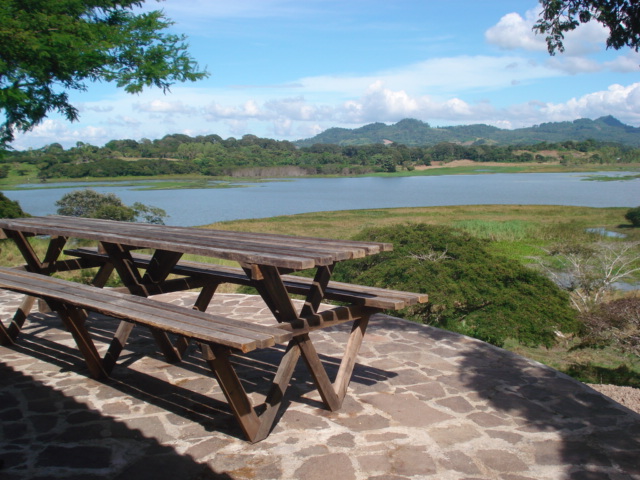
View of Lago Apanas


The farm produces organic sustainable shade grown estate coffee, which essentially means that they have large shade trees of many varieties at the highest canopy level and banana trees at a lower level. This not only maintains the biodiversity of the forest but also the habitat of the birds and animals.


Coffee in its various stages

Coffee in its various stages

dsc064871


After a semi-trecherous, dark drive along the Guayacan, the newly constructed highway out to Jinotega, we arrived just in time for a dinner of ribs, and a serenade from some local musicians who work on the farm. Combined with a few nica-libres, we all fell into a happy stupor of rum, carne, and song.  As the night progressed, one by one, people excused themselves to their rooms in the rustic hotel for a deep sleep in the cool mountain air.

Singing along with the band

Singing along with the band

We awoke in the morning to a hearty breakfast of french toast, gallo pinto, and of course, coffee.  While we ate, El Jefe, the father of many of the guests, set about stewing up a soup on the outdoor fire.  For over 4 hours, the soup simmered slowly as he added various ingredients to the cauldron, including beef, plantains, cabbage, squash, and noodles.  Like kids at a summer camp being summoned to the mess hall, El Jefe called us all to almuerzo (lunch) in the giant family-style kitchen just after 1 in the afternoon.  Combined with a side of rice and a slice of avocado, everyone devoured the delicious sopa and promptly disappeared for mid-afternoon naps.

La Sopa

La Sopa

The rest of the weekend offered much of the same.  Though there was plenty to do on the farm, from fishing to horseback riding, we mostly relaxed and enjoyed the company of good people and warm food.  Without soup for lunch during our drive back south on Sunday, we stopped at a small trailer just outside of Sebaco for güirilas,     

güirilas

güirilas

sweet tortillas made from young corn, and a bit of cuajada (fresh white cheese known to the northern regions of the country).

León Viejo

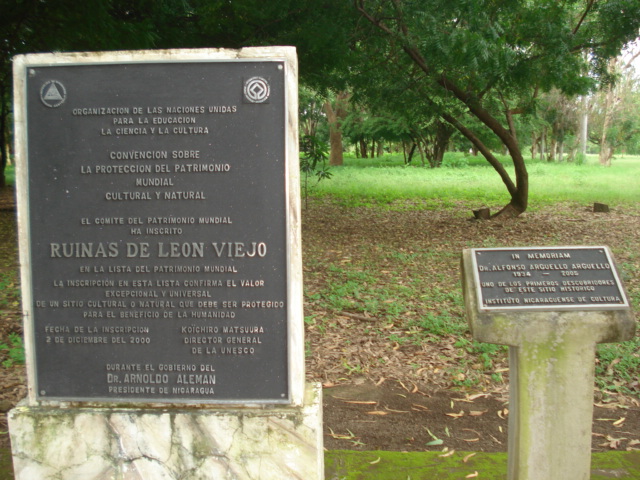
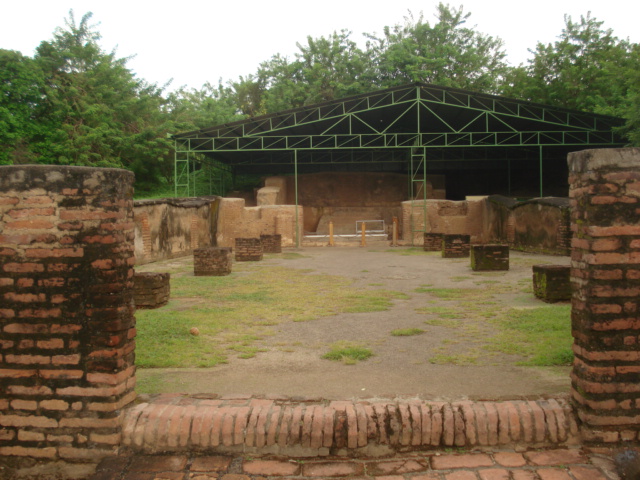
If you’re in the touristy mood and headed to León, a quick stop in León Viejo might be worth your time. Perhaps not the most exciting tourist spot; however, this UNESCO World Heritage site does provide some interesting history of Nicaragua.  USD$2 gives you access to this site, as well as a tour from a well-versed guide.  The scenic ride alone, out to León Viejo, makes this trip well worth it.The scenic drive out to León Viejo

To access León Viejo by car, follow the Carretera Sur (the highway that runs between Managua and León) north from Nagarote towards La Paz Centro.  You will see a sign for the ruins just before entering La Paz Centro.  Take this right and follow signs to the ruins for approximately 25 minutes. 


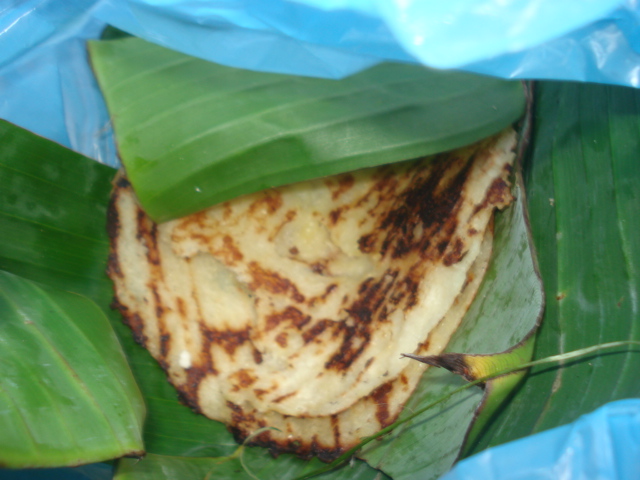
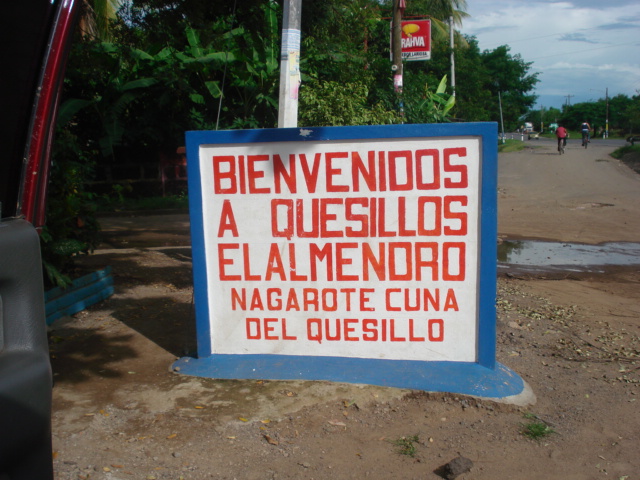
En route to León, also consider stopping for quesillos in Nagarote.  Quesillos traditionally consist of salty cheese wrapped in a tortilla and flavored with onions, cream, and other ingredients.  You can also purchase quesillos in a small plastic bag.


  Quesillos - perhaps it doesn't look appetizing, but it takes incredible!


Volcano Boarding at Cerro Negro


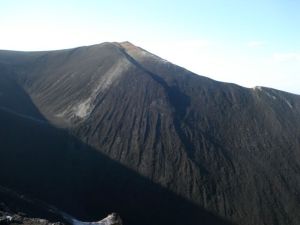
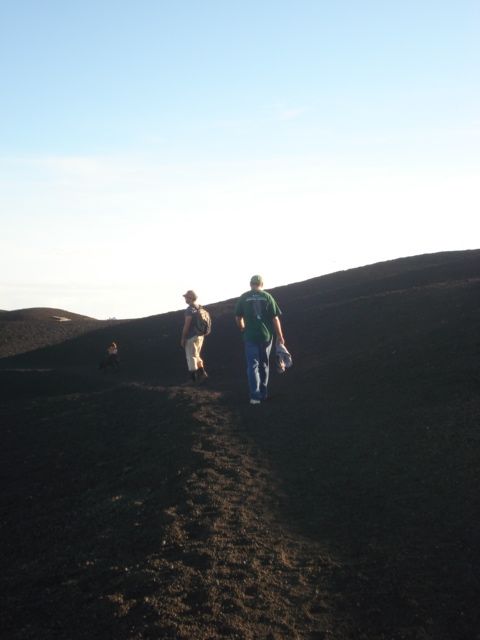
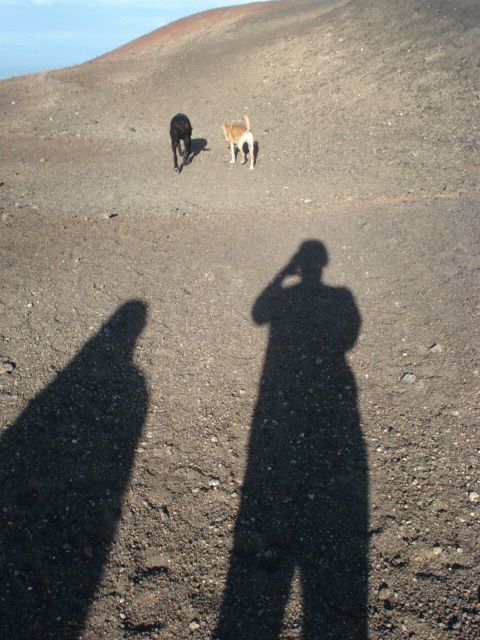
25 Kilometers northeast of the colonial city León, lies Volcan Cerro Negro.  This volcano is one of the younger volcanoes in the area (less than 200 years old), but also one of the most unique.  Thanks to a 1999 eruption and constant volcanic activity, Cerro Negro lacks any vegetation and is covered almost entirely in black volcanic ash.  Though only 400 meters high, the hike is slightly challenging as there is no paved path, only loose rock and ash along the rim of the crater.  Even then, the hike takes just 45 minutes and rewards you with spectacular 360 degree views that include volcanoes Momotombo, El Hoyo, Telica, and San Cristóbal.


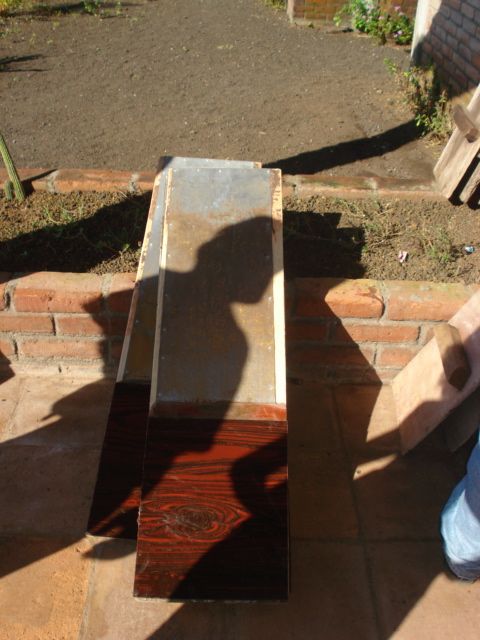
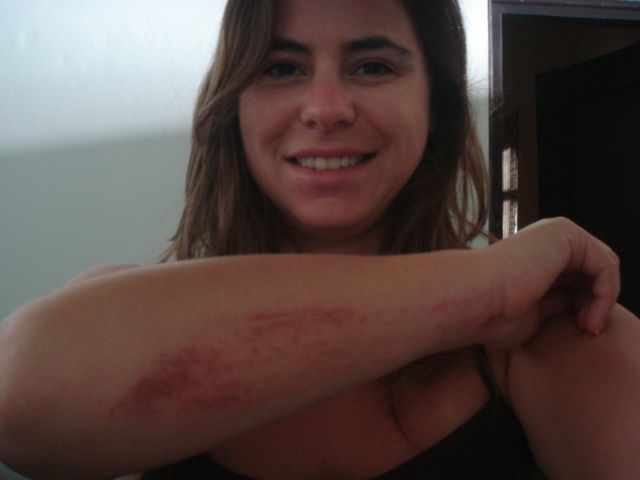
Just as incredible as the views is the descent that awaits you once you reach the top.  If you are so inclined, visitors can hike up with a long wooden board and then ride it down the other side.  The volcanic ash and rock makes for an incredibly fast ride down the volcano.  We jumped at the opportunity to try this and were not disappointed.  The ride down lasted no more than 60 seconds and was unbelievable.  Going first, I failed to pay attention to the braking instructions and flew down the side of the volcano at warp speeds, only to wipe out (twice)!  I have the war wounds to show off including some nasty looking road rash (or in this case, lava rash) down both forearms.  I’m still picking ash and rocks out of my ears.  Nevertheless, this experience is unlike any other and I would recommend it to anyone looking for an adventure.


My understanding is that a number of tour companies, operating out of León, can set you up with a tour to Cerro Negro.  I have heard they are all quite reliable, including Tierra Tour and  Va Pues; however, I cannot speak personally to their service.  We were lucky enough to go with a friend who had been boarding before, so we drove ourselves to the base of the volcano, where there is a small building renting out boards.


The boardsGetting instructions  

Some helpful tips if you decide to visit Cerro Negro:

-Wear sneakers or hiking boots, as well as long pants.  You might even consider a long sleeve shirt to protect your arms should you roll off the board!

-Consider bringing a handkerchief or another clothing item that you can wrap around your face.  

-For the same reason, wear sunglasses to keep the rocks and ash out of your eyes.

-Bring plenty of water and sunscreen.


UPDATE: Volcano Boarding was recently featured in the New York Times travel section.

Fulfilling my duty as a U.S. citizen

My absentee ballot arrived in the mail today.  For many obvious reasons, this election holds great significance.  Most important to me, at this very moment, is my ability to exercise this right as far away as Nicaragua.  I encourage all citizens to do the same!  Information on absentee voting is available at: http://www.fvap.gov/

Visiting the Doctor in Nicaragua

Regardless of where we live, we all eventually need to see the doctor.  In my case, it was simply time for a regular check-up having put mine off for close to two years.  Friends provided me with numerous referrals to physicians in Managua, but I still felt an unexpected level of anxiety about this appointment.  Though I’ve lived here, in Nicaragua, for close to 9 months, I simply did not know what to expect.  Perhaps I was worried that I didn’t know enough Spanish to understand medical terms or that my doctor wouldn’t understand my questions and concerns in English.  More likely, I still hold on to some assumptions and stereotypes about medical care in a third world country, though I hate to admit it.  Regardless of the reason, I approached this appointment with some trepidation.

I cannot begin to express how pleased I was with both my physician’s care, as well as the facilities at Vivian Pellas Hospital in Managua.  To begin, the nurse, Cristina, was helpful and warm.  When my appointment had to be moved due to a surgery, she found a way to fit us in on the same day, as we were already en route from San Juan.  My doctor, Dr. Mendieta, was informative, thorough, and had a sense of humor.  His office had more advanced technology than anything I’ve experienced back in the States.  He also made himself very accessible – he called the same day with test results and provided me with not only his office number, but his cell and home numbers, as well.  The pharmacy and lab, within the hospital, were easy to locate and incredibly efficient (I waited no more than 5 minutes).  

Without question, I was pleased, relieved, and incredibly happy with the services; however, I think it is still important to remember that not everyone has access to this level of medical care.  While the hospital is physically available to all, many people do not have the means to travel to Managua.  Though not expensive by US standards, costs are often prohibitive for locals.  As an alternative, plenty of people rely on local health centers, which need support, as they are often understaffed and maxed out on resources.  Hopefully, I will have more on this as we find ways to help…