On Motherhood

I’ve known for a lifetime that I wanted to be a mom.  I’ve known for 6 months that I was going to be a mom.  But I didn’t truly feel like a mom until last week.

A local four year old boy was hit and killed by a car last week.  He was playing on the sidewalk in front of his house.  When his mother crossed the street, he ran to see her.  His life was over in an instant.    I did not know the boy or the mother, only a passing acquaintance with a relative, yet I experienced such a strong visceral reaction to this devastating news – as if it were my own. 

Last night, I re-watched an old episode of “Six Feet Under” that dealt with the death of a 3-week old baby.  While processing the moment, Brenda says, “You know what I find interesting? If you lose a spouse, you’re called a widow, or a widower. If you’re a child and you lose your parents, then you’re an orphan. But what’s the word to describe a parent who loses a child? I guess that’s just too fucking awful to even have a name.”

How true.

A Slice of Reality: Getting Pregnant and Giving Birth in a Foreign Country

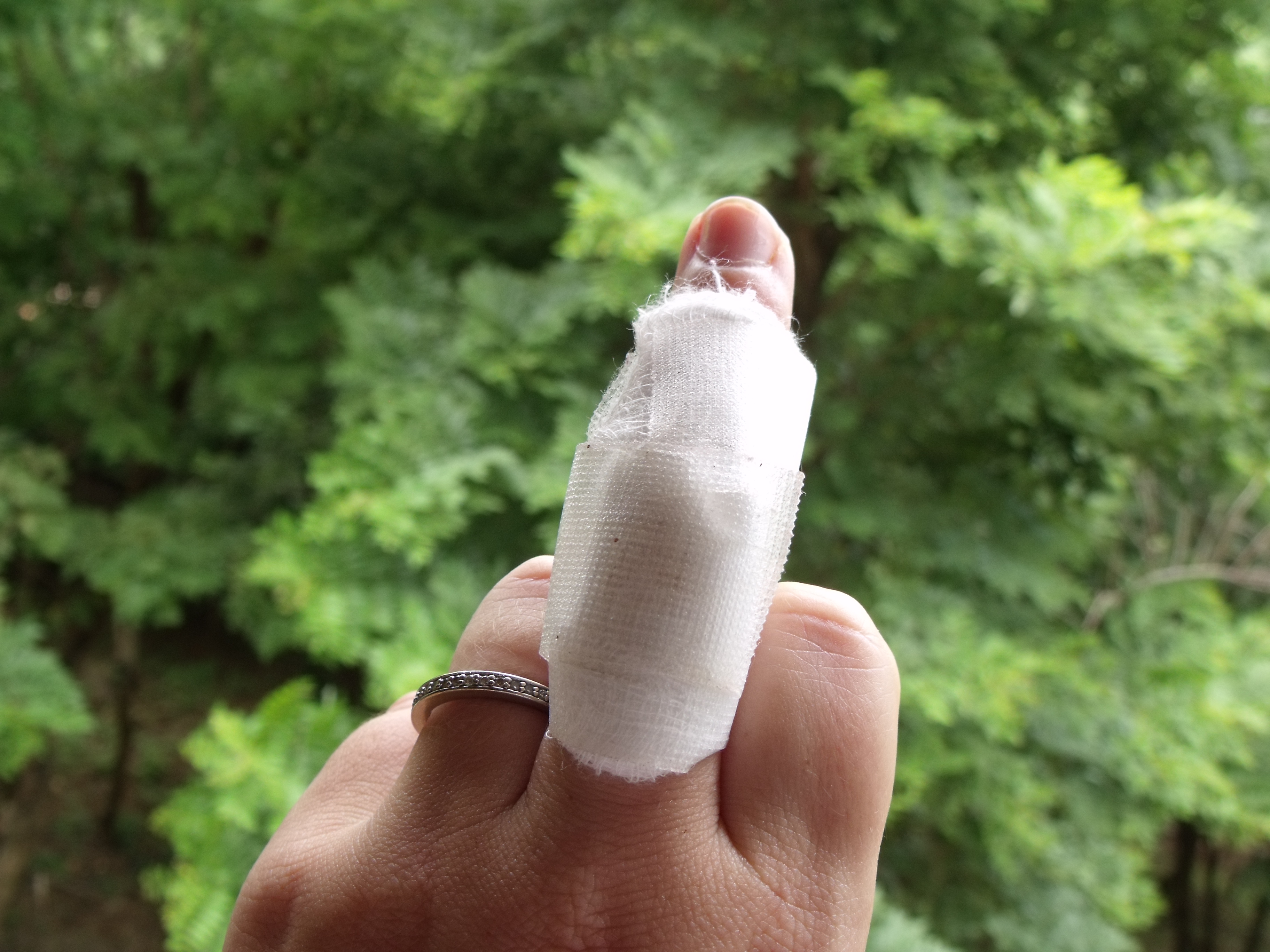
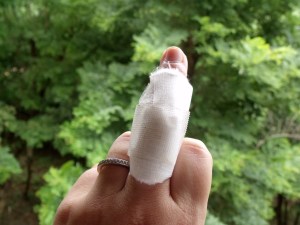
I sliced my finger on the lid of a spaghetti sauce can last night which sent me into a tailspin of panic.  Though painful and bloody, the cut was seemingly benign.  Nothing that a few stitches and a tetanus shot couldn’t take care of.   Yet my reaction was Oscar-worthy, rivaled only by the time I was dumped by my college sweetheart and slipped into a 2-month depression.

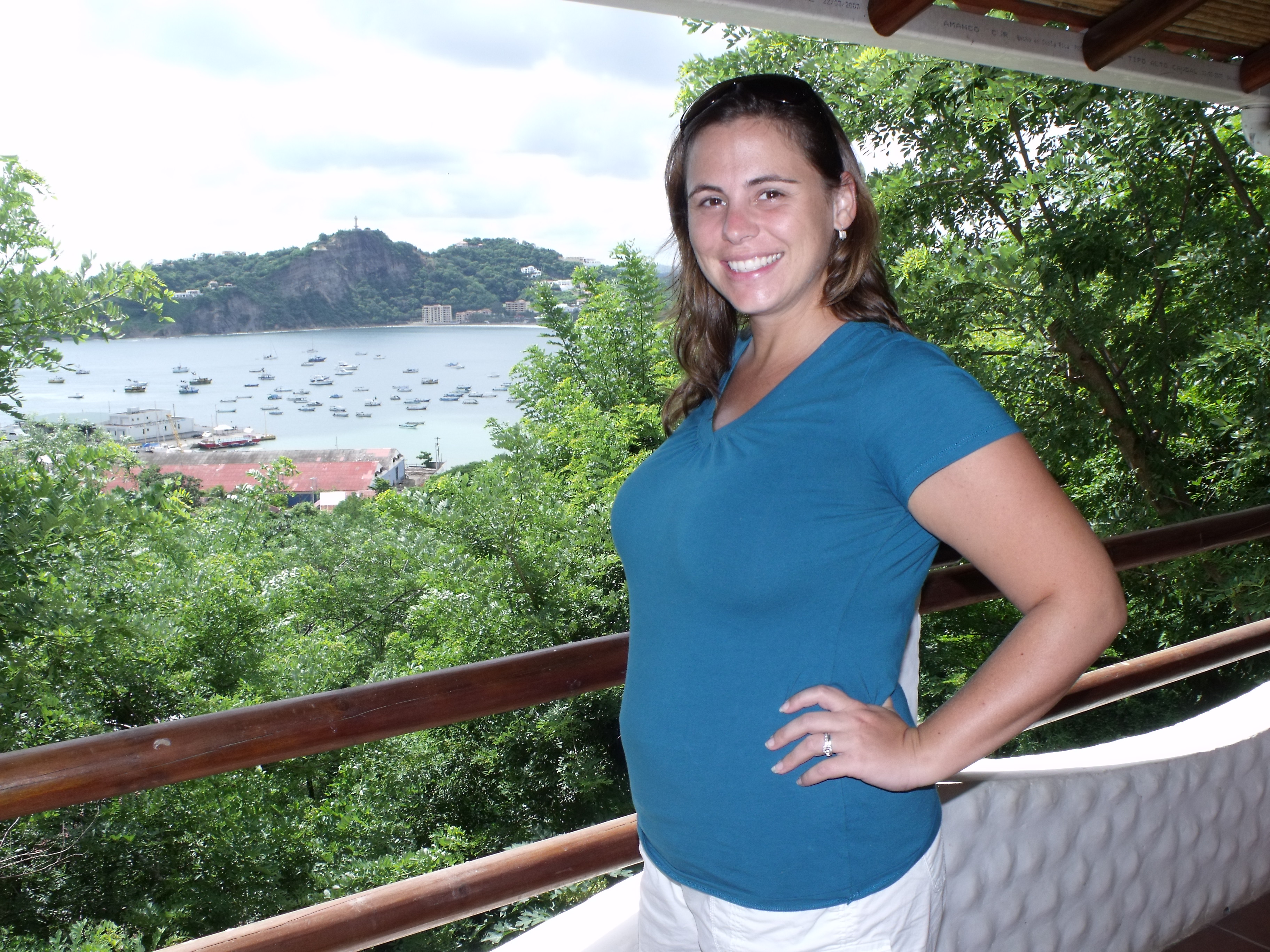
Since our move to Nicaragua, I’ve fallen down concrete hills, stepped on stingrays, and boarded down a volcano and survived, all of which resulted in memorable scars of our journey in Nicaragua.  So why was this latest notch on my bedpost of injuries invoking such anxiety?   The answer – I’m 5 months pregnant. 

Justin struggled to understand my hysteria.  As he fumbled thru the house in search of Band-aids and Bactine, I sobbed into the blood soaked towel wrapped around my finger and fretted about the possibility of a trip to the local Centro de Salud.  Having only been there once before for an anti-parasite prescription, I conjured up visions of rusty needles and disgruntled nurses.

My already pregnancy-laden hormonal thoughts had spiraled out of control into a place of utter fear that had very little to do with my finger and much more to do with this looming birth.  What if I went into labor early and couldn’t make it to Managua in time?  What if I had to give birth at the Centro de Salud.  What if I went to the Centro de Salud for this cut and they prescribed me something that could ultimately harm this developing baby inside me.  If Justin couldn’t find the Band-aids, how was he going to find the hospital in Managua, two and a half hours away?  What if, what if, what if?

As a self-proclaimed control freak/hypochondriac, pregnancy is bound to cause some level of anxiety in an expecting mom.  DSM-IV diagnoses aside, Pregnancy can cause moments of anxiety in any mom.  Mix it all together with a birth planned in Nicaragua, with Spanish speaking doctors, thousands of miles from family and you have the perfect recipe for an all out freak out, which is exactly what I did last night.  The finger will heal, with or without stitches, but what will happen to me and more importantly, to this baby that I have already been waiting 5 months to meet?

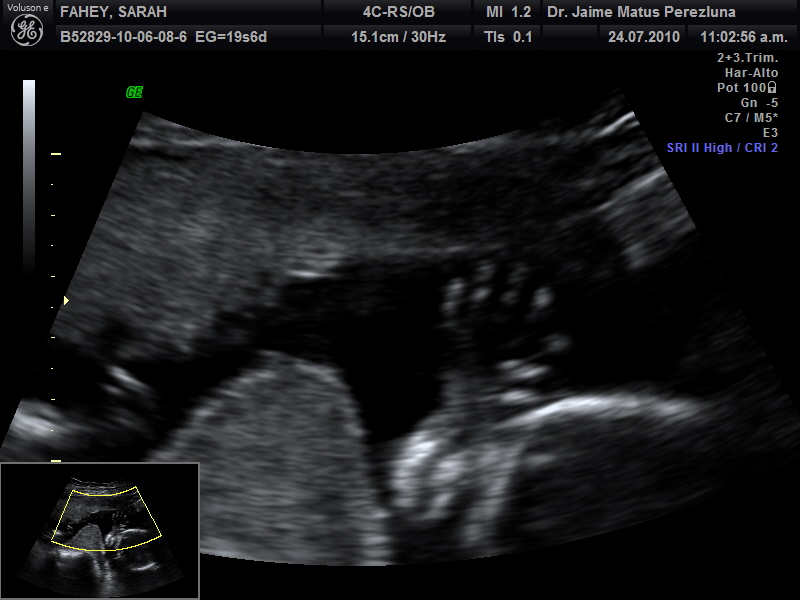
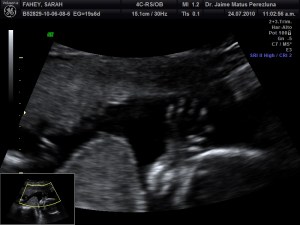
20 Weeks

Our original plan was to live in Nicaragua for a year, evaluate our experience, and then perhaps move back to the States, get desk jobs, set up home in an insanely expensive Boston suburb that we couldn’t afford and procreate.  Well, that was my plan.  But, as one year crept into two, both Justin and I began to discuss the possibility of having children abroad.  I wasn’t getting any younger and the economy in the States wasn’t getting any better.   After reviewing numerous birth scenarios (go home now, get jobs, get insurance, get pregnant; get pregnant here, get on a plane back to States for delivery; get over it and just do it), we decided to ignore the one piece of advice that my physician father tried to impart on us during regular visits, “just don’t get pregnant down there.”  Four months later, I was pregnant and we were overjoyed. 

By that time, we had met with one of the top OB-GYNs in the country at Vivian Pellas Metropolitano Hospital, discussed a prenatal plan, and witnessed some of our best friends, here in Nicaragua, get pregnant and give birth to happy, healthy babies.  Just as in the States, my OB here recommended the regular battery of pre-natal tests, exams, and vitamins. Moments after we watched the tell-tale pink line develop, we were on the phone to my OB discussing necessary appointments and ultrasounds.  Since that day, we have received top-notch care that rivals the assistance that my sister has received at state of the art Boston-area hospitals.

So, you know the old adage that “women have been giving birth to babies, alone in the middle of fields since the beginning of time”?  Well, it’s more or less true.  And more importantly, women have also been having babies in Nicaragua this whole time.   Giving birth is an incredibly natural life event.  You can prep all you want with doctors and specialists, but ultimately, this little creature is going to enter the world on her own terms at her own pace.  And that, she can do anywhere. 

Later that evening, after my finger was carefully washed and bandaged, Justin quietly offered to pack my “hospital bag” so that we are ready to hit the road when labor begins.  With more than 4 months to go until the arrival of Baby Fahey, I’m thinking that maybe Justin really will be able to find the hospital after all.    
The Meat We Eat

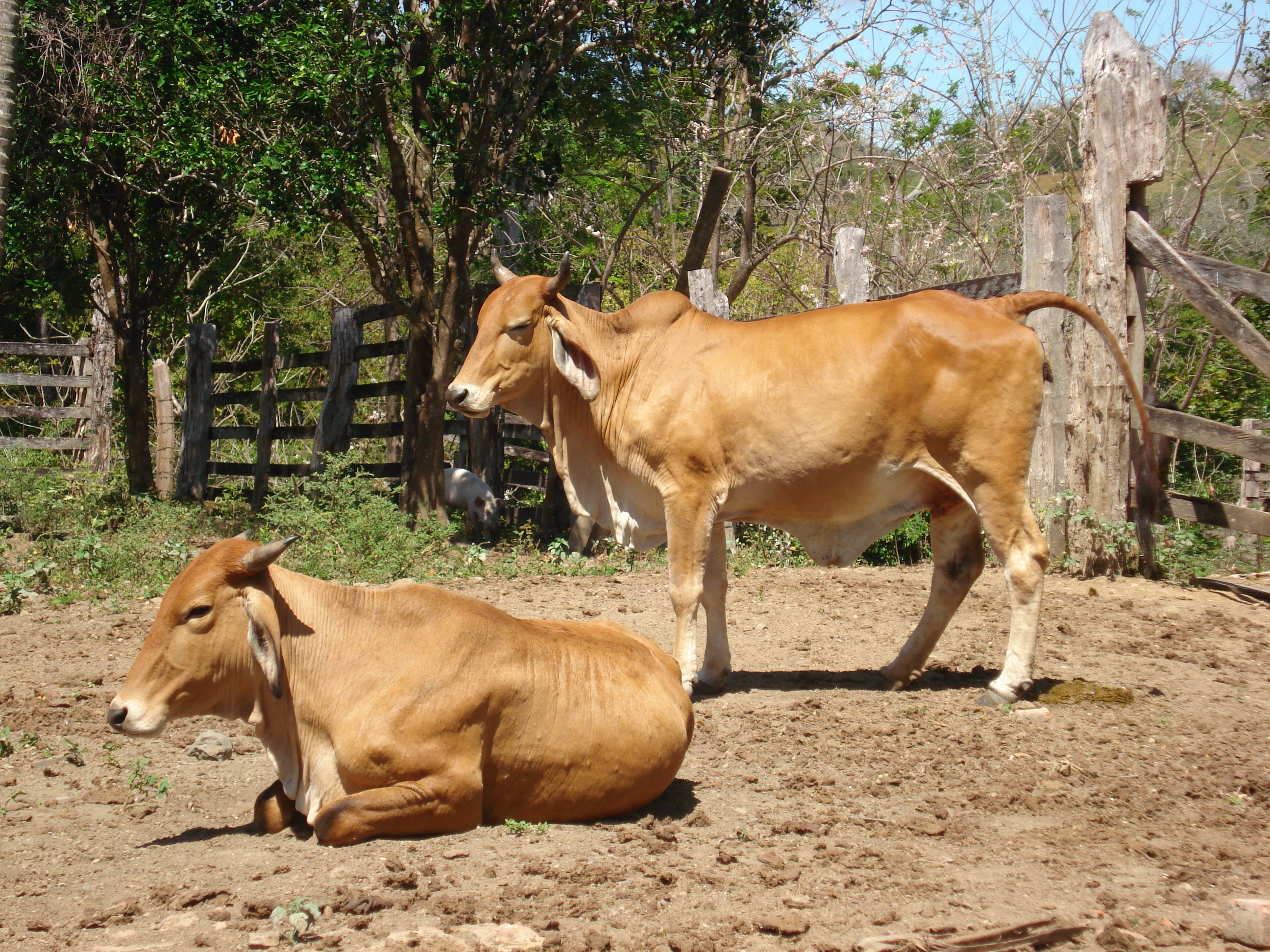
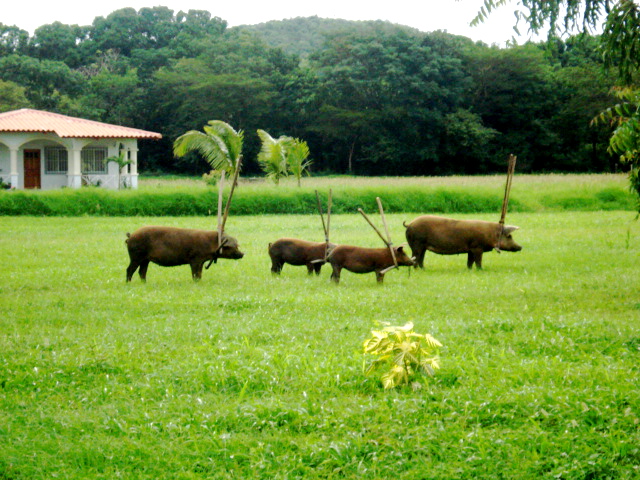
Many people say that the best way to pay homage to an animal that you plan to consume is to understand and appreciate its life cycle (from birth to free grazing farm to supermarket).  There is a prevalent belief that those of us eating meat without a full understanding of where it originated is not only ignorant, but sacrilege.   Some even go so far as to assert that one must be a participant in the slaughtering of the animal to truly honor the life of the animal that they are about to eat.  I can’t say that I ever paid much attention to any of these concepts and probably made more of an effort to avoid having this knowledge for the majority of my life.  Now, living in Nicaragua, this concept is much more real.  More often than not, the meat we eat is no longer from Arkansas (Tyson), but is from our neighbor’s front yard…literally.

The other day, I came home from Managua on a sunny afternoon to find a slaughtered baby pig hanging from a tree in our driveway.  This was no religious sacrifice, but preparation for a party to be hosted by my landlord later in the week.  I had the train-wreck syndrome;  I was equally horrified and curious and couldn’t decide whether to stay and stare or run into the house.  I chose the latter only to be confronted by Wilbur at the party a few days later.   That evening, Justin feasted on the piglet, while I stuck to the homemade bread and marmalade.  Ironically, I also ate some bacon wrapped dates, but somehow, this felt less abusive than eating the pig direct from the carcass.  A 4 year old at the party grilled the host on why he had killed the pig.  To placate the poor girl, he described an elaborate story in which he came upon a suffering pig along the side of the road and after a failed attempt to revive the pig with CPR, it passed away peacefully – then he cooked it.  She walked away semi-content with the reponse.  The 32 year old inside me felt a little better, too.

More and more, I have struggled with the concept of dining on the chickens that I valiantly try to avoid hitting with my car as I drive home each evening.  I am mildly excited when someone on our sailing trip catches a fish, but the moment it is reeled in, I move to the other end of the boat.  I can’t handle being the metaphorical fish out of water.  Try watching the real thing.  It’s difficult having items from my grocery list as neighbors.

So, am I making the natural transition to vegetarianism?  Is this how it all begins?  Eating meat directly off the bone has always made me feel a bit cannibalistic.  But more recently, I have found myself hesitating with chicken breasts, fish filets, and hamburgers.  Perhaps it has something to do with the winding pastoral landscapes complete with grazing cows and lamb (chops).  The first trimester of my pregnancy didn’t help, as a slight discomfort with certain meat turned into an all out chicken aversion for three months.  For whatever hormonal reason, the very thought of eating chicken could make me gag.

I attempted vegetarianism once in my life.  After a summer away at sleepover camp, I came home to my parents and proudly proclaimed my new vegetarian status.  My parents smiled and commended my efforts and promptly turned their backs to share a questioning glance that asked, “how long will THIS phase last?”  Not long.  I struggled to justify my new-found vegetarianism to friends and neighbors and most importantly, to myself.  Had I really adopted this new diet for reasons beyond the fact that it’s what the cool kids were doing?  Two weeks later, I was sinking my teeth into juicy burgers at the neighborhood party.

As a “mature” adult, I’m still not so sure that I’m ready for the vegetarian commitment.  It’s an even more difficult feat to achieve here in Nicaragua.  Though the country is poor and the diet subsists primarily on rice and beans, Nicaragua is still a meat country at heart.  Just count the number of fritangas (chicken ladies) in the street every evening around supper time, cooking up chicken, pork, and beef on their outdoor grills for a few cordobas.

An Irishman, Justin has meat and potatoes in his genetic makeup.  He would never make the transition with me.  And, if we ever moved back to the States and I had a little distance between myself and the local farm, will the plight of Bessie and Nemo become but distant memories?

For now, with a baby on the way in need of a well-balanced diet (which I don’t have the knowledge to provide sans meat), I won’t make any drastic changes.  But rest assured, it’s only going to get harder.

New Digs

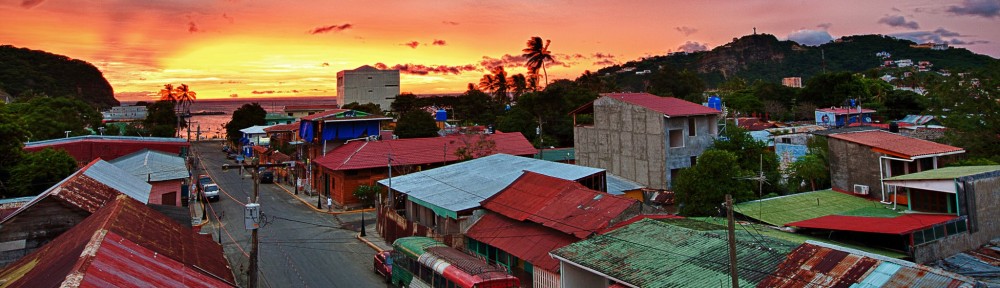
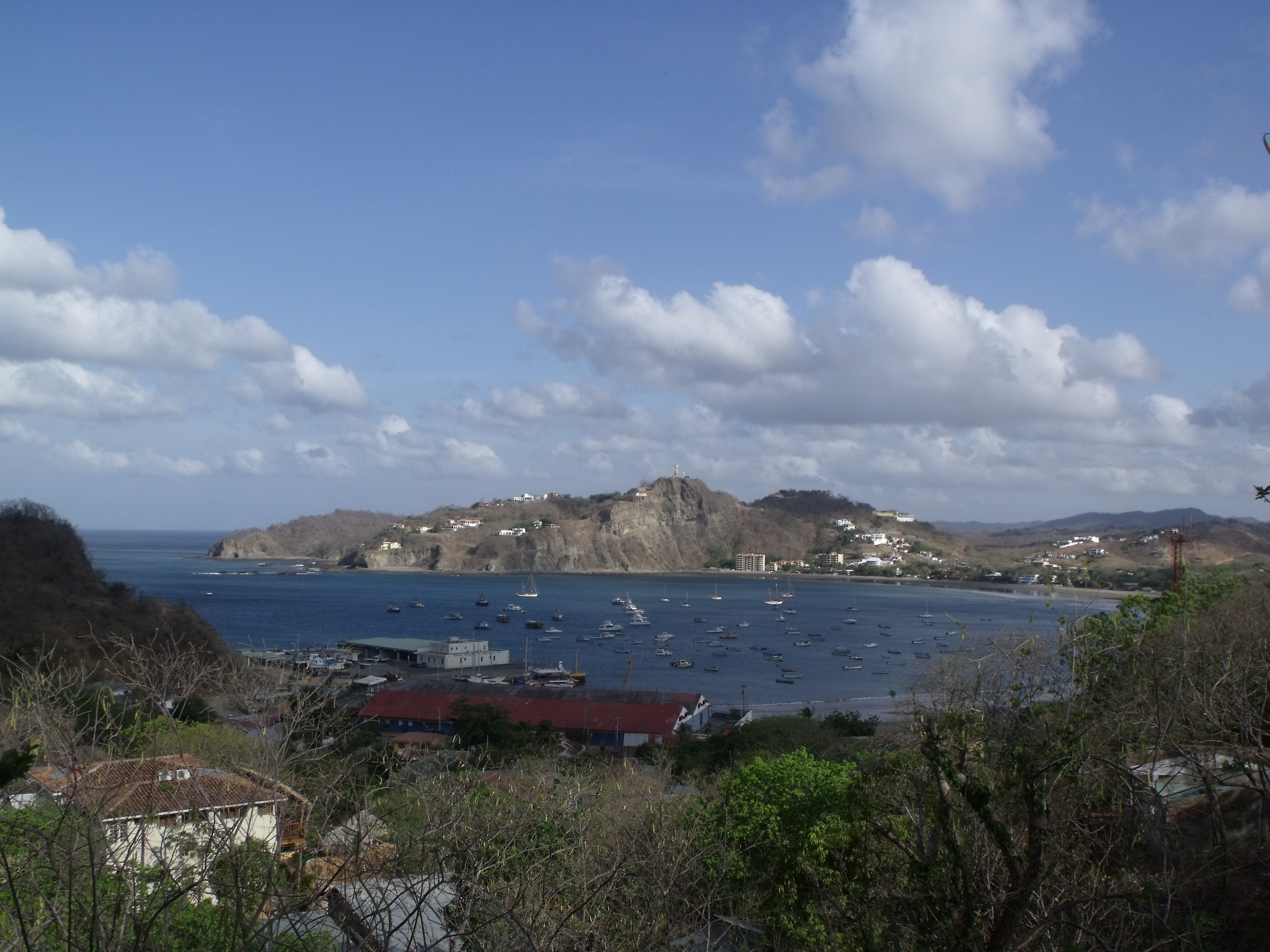
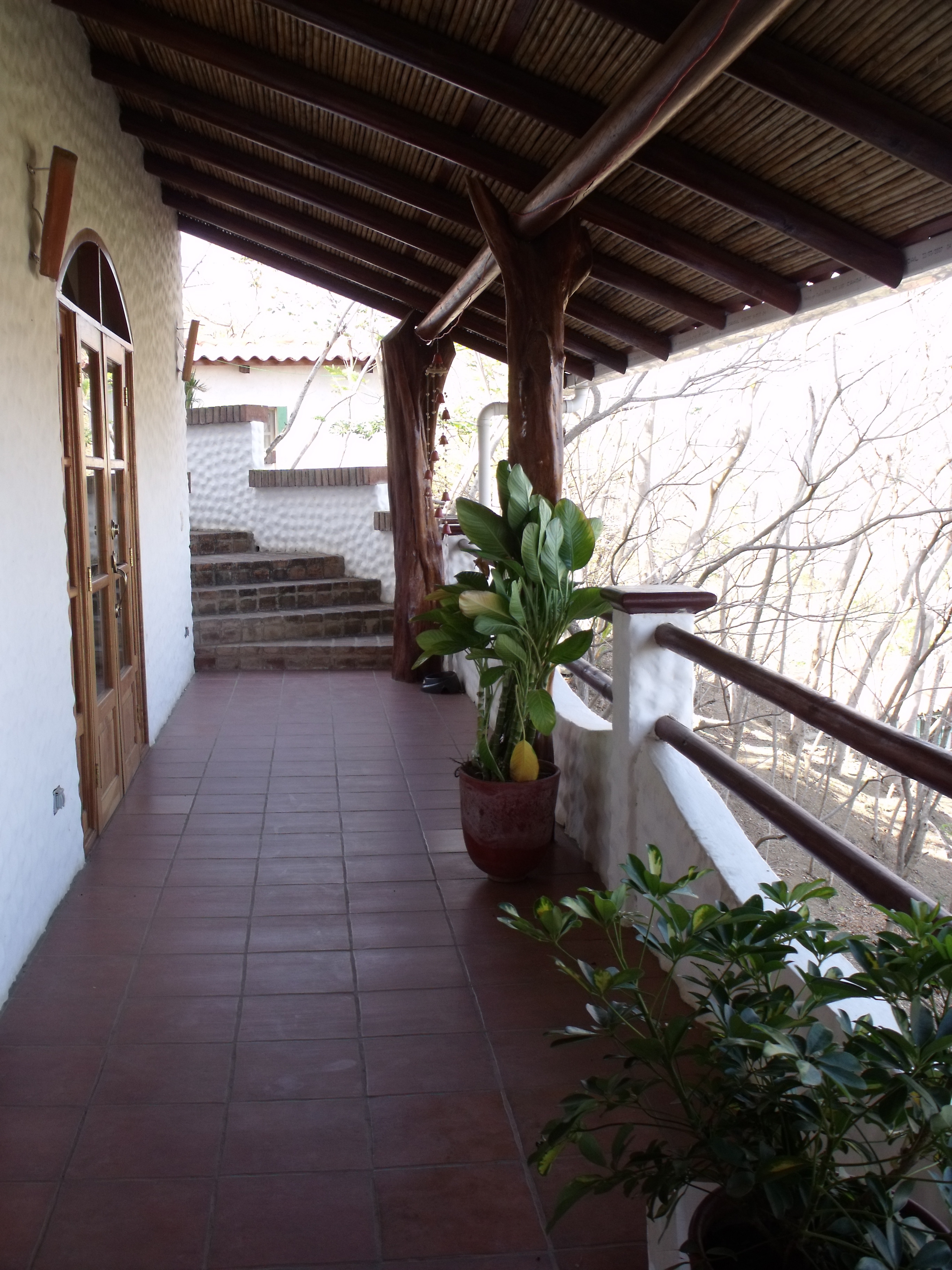
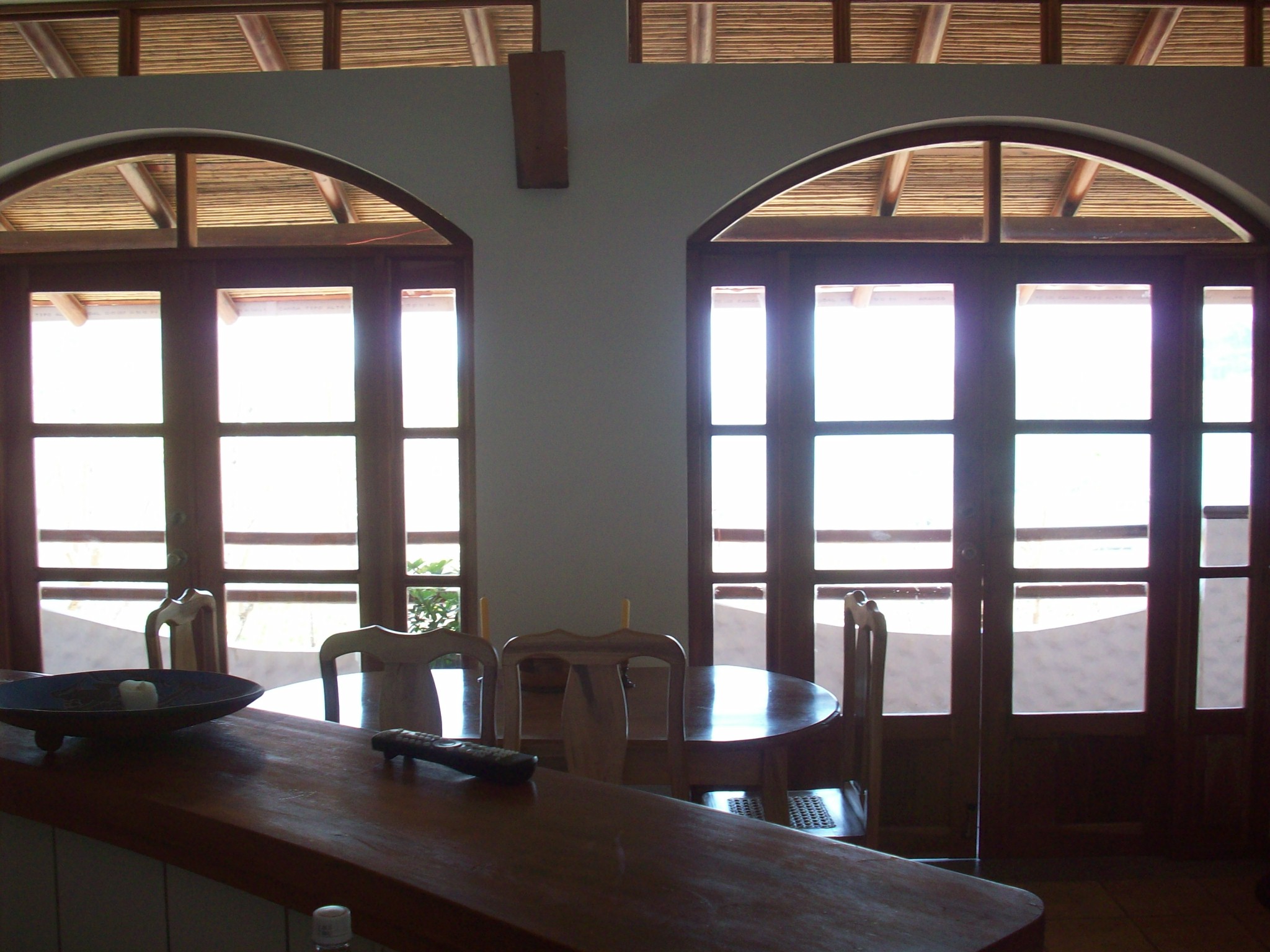
Justin and I moved into a new place a little over two months ago.  We are still in the little neighborhood, tucked back in the hills of San Juan, but we have upgraded to a 2-bedroom, 2-bathroom, air conditioned apartment (!!!) with full kitchen and large patio with an incredible view of the bay…

Sunset from our balcony


View from our bedroom


View from balcony - dry season


Balcony, left side


Kitchen


French doors to balcony


Panoramic from balcony - dry season

Good Reads on Nicaragua

Thinking about visiting Nicaragua?  Read up on its incredible history first.  Below is a small sampling of books, but visit these links for more: So you’d like to… Learn More About Nicaragua  and Nicaragua: Surviving US Terrorism.

Blood of Brothers: Life and War in Nicaragua by Stephen Kinzer

In this well-written survey, the former New York Times Managua bureau chief analyzes the roles of the Sandinistas, the Catholic Church and the Reagan administration in modern Nicaragua.

The Country Under My Skin by Gioconda Belli

Motherhood and love affairs under fire, gun running and media work, poetry prizes and exile, and ceaseless combat against misogyny and despair, Belli’s powerfully told story reveals the symbiotic give-and-take of body and soul, art and politics, and altruism and pragmatism that make up the human continuum. A tribute to beauty, valor, and justice, Belli’s giving and clarion book is also an antidote to fear and apathy, and a reminder that freedom is always a work in progress.

The Jaguar’s Smile: A Nicaraguan Journey by Salman Rushdie

Written in the mid 80’s, when Sandinista was a household name in the U.S., the book recounts Rushdie’s whirlwind tour of the small “beautiful, volcanic country” for three weeks in July.
Nicaragua : Living in the Shadow of the Eagle by Thomas Walker 

This new and thoroughly revised edition of Nicaragua details the country’s unique history, culture, social reality, economics, foreign relations, and politics. Its historical coverage considers Nicaragua from before independence as well as during the nationalist liberal era, the US marine occupation, the Somoza dictatorship, the Sandinista regime, and the conservative restoration following 1990.

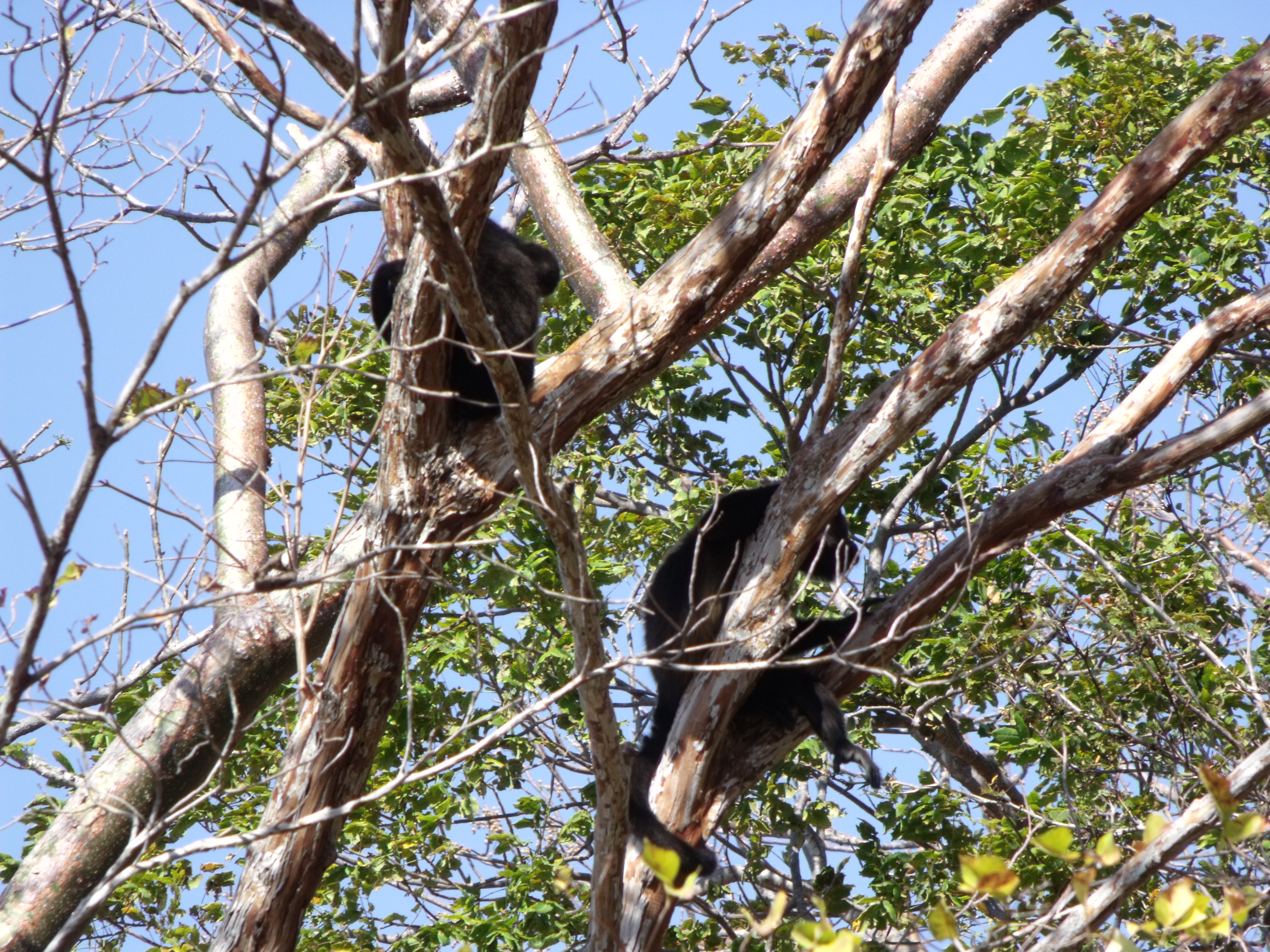
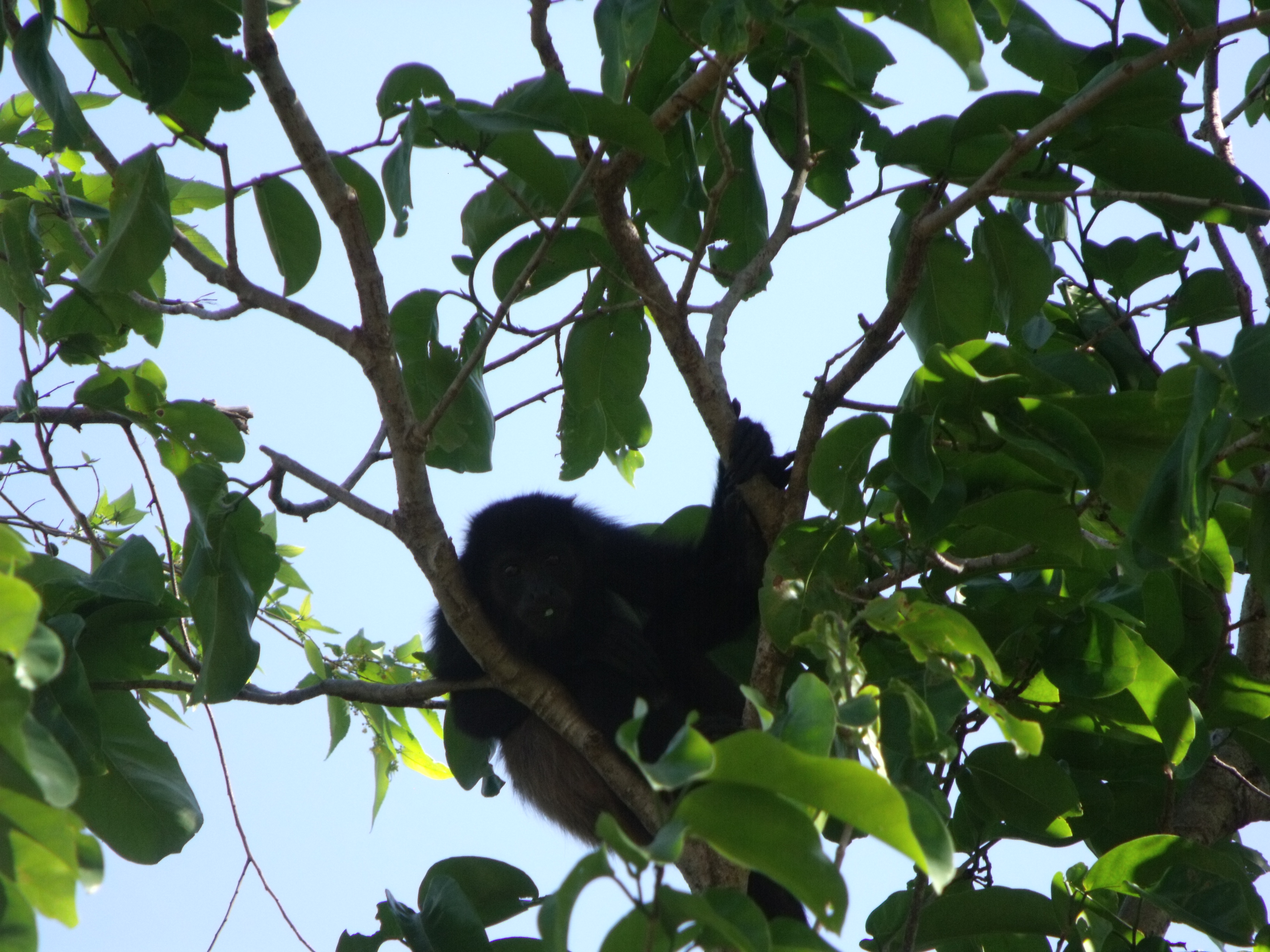
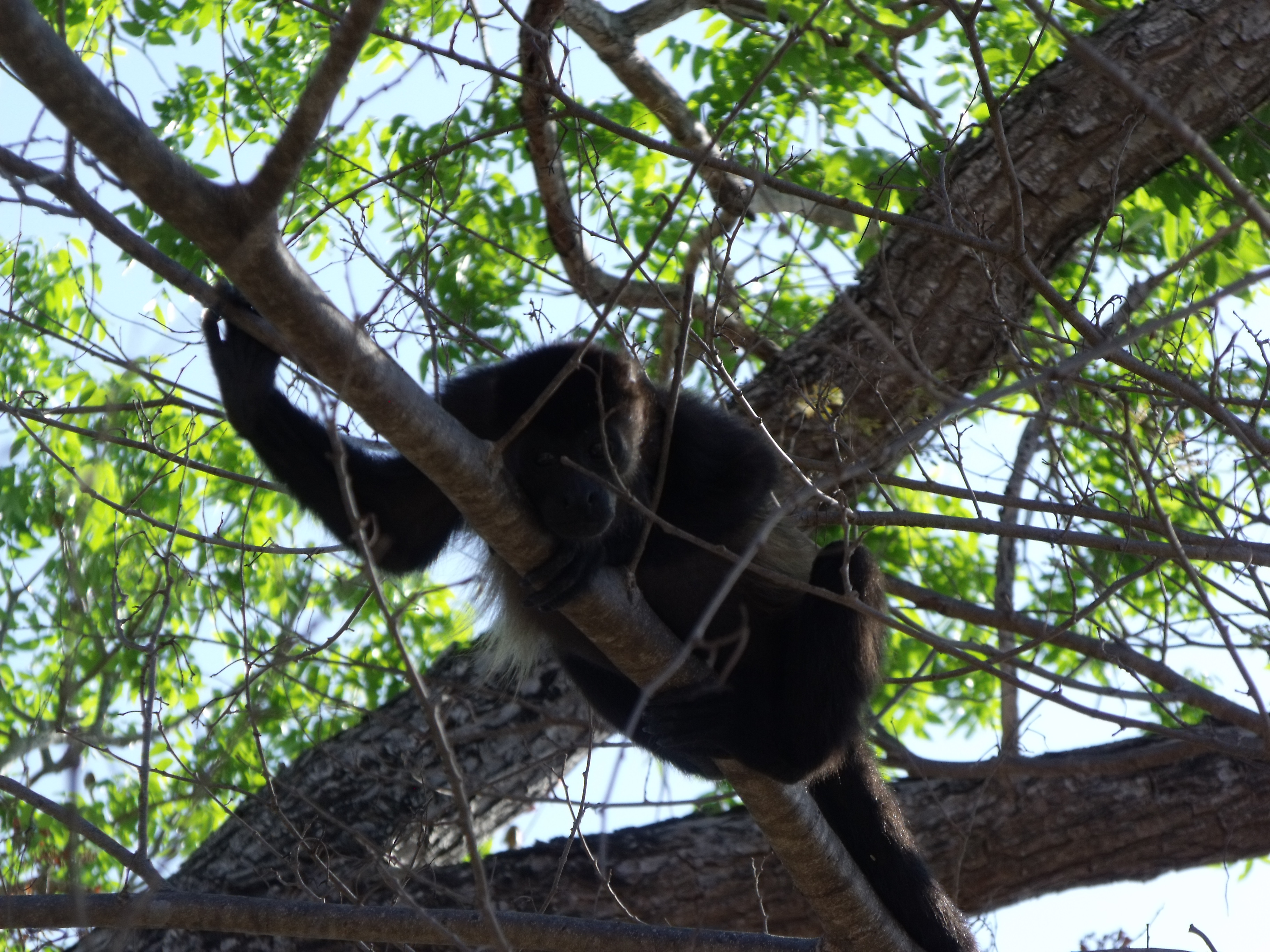
Monkeying Around

No matter how long we live here, I will never tire of the monkeys…

Staying Connected

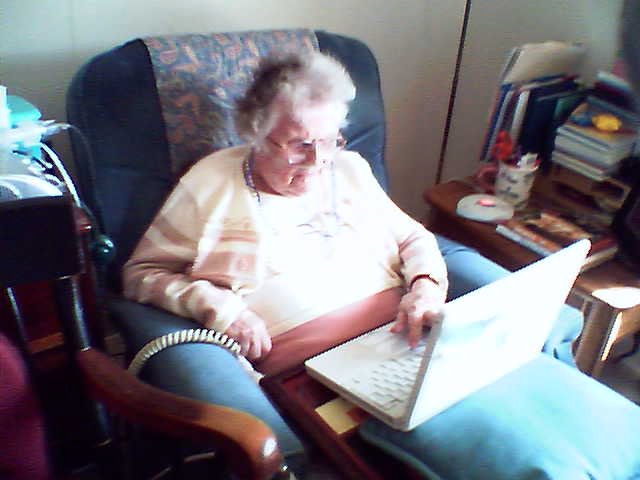
So intrigued by the internet, my 99 year old grandmother created an email account and even joined Facebook 10 months ago!

From the time I went away to college, my parents began the weekly ritual of calling every Sunday evening to stay in touch.  When Justin and I made the big move to Nicaragua, I wondered if those calls would come to a halt.   Thankfully, they have continued this tradition even with the added expense of international calling.  The phone calls have kept us grounded over the last 2 years, allowing us to maintain a personal contact with family and making us feel closer to home. 

However, international calls are expensive and when added up over time, the bill can be quite costly.  Living abroad is an undeniably wonderful experience, but it can also be difficult to be so far from family and friends.  Thanks to technology, there are myriad ways to stay in touch with your loved ones back home.

From regular old emails to real time chats, Gmail, Yahoo, and other online mail programs are a an obvious choice as they provide a free way to correspond with people across the world.   The advent of video chat plug-ins has only boosted the appeal, as you can connect by both voice and video with just the click of the mouse!

VoIP (voice over internet protocol), MagicJack, Skype and other internet based voice communication services are all helpful, as well.

For a long time, I resisted Facebook.  As an educator back in the States, I had purposefully avoided social networking sites, as I didn’t want students to have access to my personal life.  Plus, it seemed like a tremendous waste of time.  Yet shortly after we moved to Nicaragua, my friends here convinced me to create a Facebook account.   I very quickly connected with close friends and family and also slowly began reconnecting with many old faces.   Using Facebook allows me to read updates, see photos, and share in conversations with people back home at times when neither of us has time for lengthy emails and costly phone calls.  

When our dog, Cooper, passed away, I was overwhelmed by the outpouring of love we received via Facebook.  One simple post was all it took to connect us to our support network of hundreds of friends and family back in the States.

Blogging is another great way to stay connected, as it allows you to send detailed updates to anyone willing to read your posts.  Though it tends to be a little more one-sided, it does create a nice forum for sharing information and experiences.

Thanks to the internet, home doesn’t feel quite so far away!  Of course, you can’t smell homebaked chocolate chip cookies online.  While technology is wonderful at keeping us in touch, remember that there is nothing better than an honest to goodness care package from home, complete with trashy mags, chocolate, and a piece of home.