Did I forget to mention that the Italian version of Survivor was filming on and near the Corn Islands during our visit? For details, read Tim Rogers article from the Nica Times:
Reality TV Show Puts Nicaragua in Spotlight
Reply
Did I forget to mention that the Italian version of Survivor was filming on and near the Corn Islands during our visit? For details, read Tim Rogers article from the Nica Times:
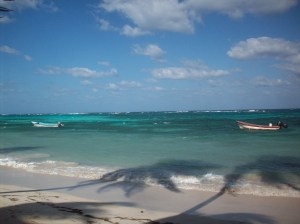
Justin and I just spent a glorious 6 days in the Corn Islands on the Caribbean Coast of Nicaragua. A few details and then I’ll let the photos paint the picture:
WHERE TO STAY:
Big Corn Island: Casa Canada
Little Corn Island: Little Corn Beach and Bungalow
How to get there: La Costeña Airlines – to Big Corn Island – appx. $165/person
For more info: http://www.littlecornbb.com/getting_here.asp
Click here for our Corn Islands Photo Album
Enjoy!
Back in September, Justin and I took this fantastic trip to the northern part of Nicaragua with our friends, Sarah and Baldo. The four of us had been planning this trip for close to a year before we were finally able to take it. It was well worth the wait. The northern part of Nicaragua is stunning and everyone who visits should take the time to explore this corner of the country.
We began our journey on a Friday afternoon, driving thru Rivas, Nandaime, Catarina, etc. and circumventing Managua by passing thru Tipitapa (the route to the airport). We spent the first three hours of our drive salivating about the upcoming stop in Sebaco for güirilas and cuajada at Tipico Daisy.
A quick stop and “lunch” to go, and we continued on our way to La Ecoposada el Tisey in the Reserva Natural Meseta Tisey-Estanzuela, located about 25 minutes outside of Esteli. This place is wonderful! They have a small, traditional kitchen, an outdoor dining area, and a handful of simply appointed cabinas (just a bed and a bathroom). After a tasy dinner, a media of rum, and some cards, we all retreated to our rooms for a cozy night of sleep, nestled under blankets. The northern part of the country is much cooler and sweatshirts and jeans are highly recommended! In the morning, we awoke to a mist-covered landscape of orange trees and coffee plants. We ate a fresh breakfast of homegrown eggs, gallo pinto, cheese, and coffee and then changed into sneakers for a hike up to Mirador Segoviano which gave a great panoramic view of the Valley of Esteli, the volcanoes of Los Maribios, Lake Nicaragua and all the land up until the Gulf of Fonseca. From there, we ventured down the road from the ecoposada in search of the elusive Alberto Gutierrez, an eccentric recluse who lives in Cerro Jalacate. A self taught sculptor, he carves animal themed reliefs into the cliff-face overlooking his house. Unfortunately, we walked in the wrong direction and got caught in a massive downpour! So, instead of meeting the talkative hermit, we returned to the ecoposada, packed up, and made our way to Salta Estanzuela, a 36 meter waterfall that feeds into a small, refreshing swimming hole.
From there, we drove thru Esteli and stopped at Restaurante Pullaso’s Ole. Pullaso, we learned, is a certain cut of beef that is incredibly tasty and full of fat – yum! The thick slab of meat is accompanied by none other than…more meat…your pick of sausage from around the world. Plus, they throw is some gallo pinto, some ensalada, and you can eat yourself into a food coma.
Stomachs fulls, we drove into Condega where Baldo’s family owns and operates Pension Baldovinos, a small hostel in the center of town. That night, we ate awesome taquitos and other street food from the vendor just down the road, wandered the small town, and relaxed in the garden of the pension. The next morning, after breakfast, we journey onto Somoto Canyon. The Somoto Canyon was relatively unexplored until a group of scientists from the Czech Republic and Nicaragua discovered the canyon in 2004. The canyon is believed to have formed 5 to 13 million years ago. After its discovery in 2004, the Somoto Canyon has been developing into a tourist attraction, further helping the growth of tourism in Nicaragua.
There are no formal tour guides at the canyon, but there is a family that lives along the highway just before entrance signs to the park. They are adept at identifying slowing cars in search of the canyon and will flag you down as you go by and offer to take you thru the canyon. Try to find Bayardo, a nimble guide, well-informed on the history of the canyon and, more imporatantly, on the location of rocks throughout the river. He is well outfitted with life jackets and a plastic bin to put your valuables in while floating down the river. You can leave your car at his house while you journey thru the Canyon. He will first guide you on a 45 minute walk into the canyon where you will then walk another 10 minutes along the rocky river until it becomes deep enough for floating. From there, you can put on your life jacket and float the length of the canyon in the river’s gentle current. This is an experience not to be missed! The water is refreshing, the canyon is incredible, and the float is peaceful. Be sure to ask about good diving spots. At the very end of the river, there is small rowboat that takes you along the final leg of the trip. Some guides also rent inner-tubes, but we found the natural float perfect.
Tired and hungry after a long day on the river, we pulled over at a roadstand fritanga and chowed before continuing onto Miraflor. The plan for the afternoon and night was to stay at another house owned by Baldo’s family, within the reserve. However, we all know what happens to the best laid plans…Miraflor is a unique natural reserve located about 30 kilometers outside the city of Estelí. The reserve is over 250 kilometers squared, which means that it is giant! Confident that we would arrive at our location in plenty of daylight, we took our time driving thru the unique landscape of the reserve. Two hours later, in the dark and pouring rain, we still had not found our house, so we pulled over at a small posada to ask for directions. When we explained, to the owner, where we were headed, his face told all and we made the decision to stay there for the night. Finca Neblina del Bosque turned out to be a great find! Set in the middle of the cloud forest, this small eco-friendly posada offered comfortable bamboo huts, an organic farm, vegetarian meals, and tasty coffee. The owners, a local Nicaraguan and his German wife, spent a lot of time designing their guest houses to make them eco-friendly – right down to the bicycle-powered water pump! Our only regret was that we didn’t have more time to spend there, as they offer hikes, horseback tours, and more. But, having arrived late at night with an early departure the next morning, we only had time to take in the beautiful view before heading out. The next morning, we began thr 2 hour journey back to Esteli and then hit the road south towards San Juan del Sur.
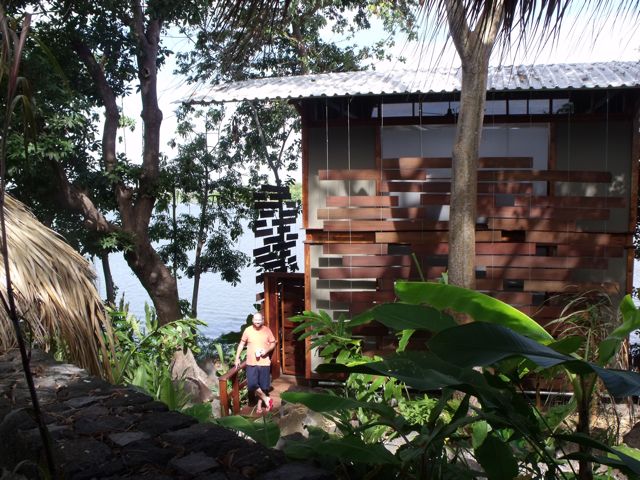
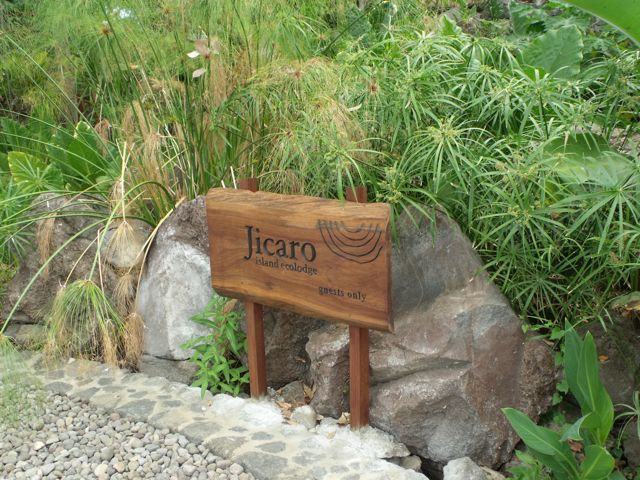
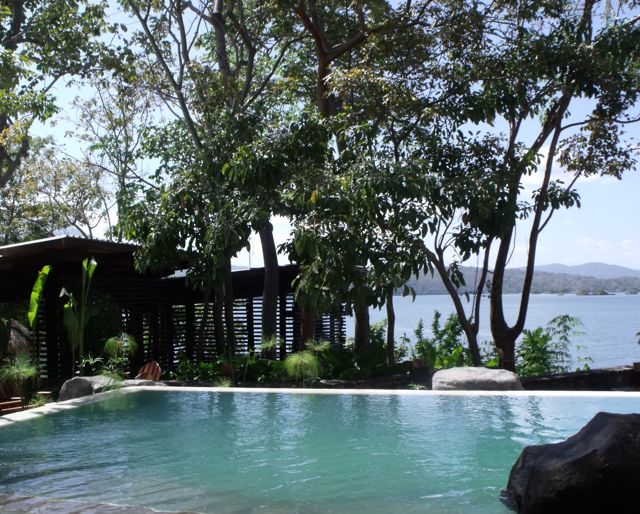
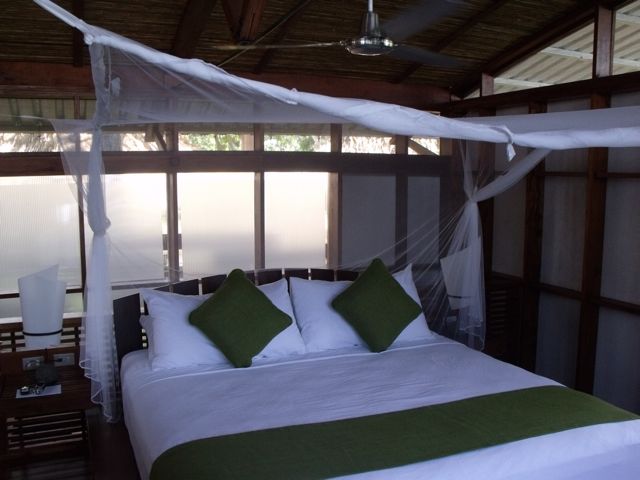
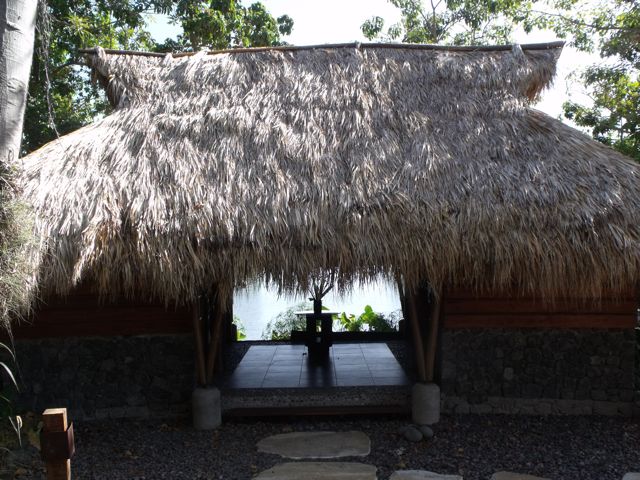
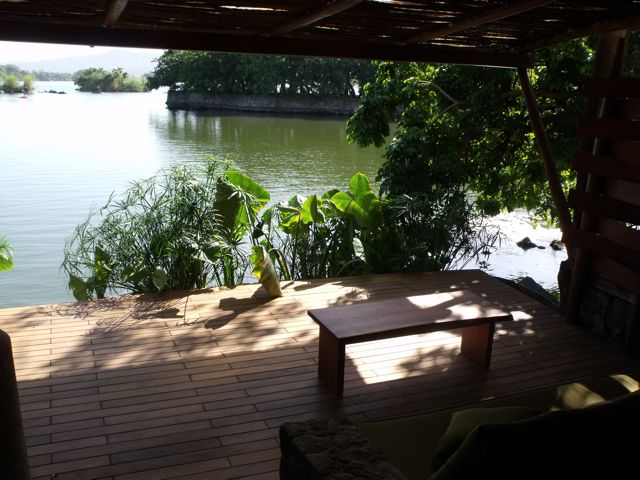
Last weekend, our good friend, Gladis, invited us to spend a weekend at Jicaro Island Ecolodge. As we both work in the hospitality business, it is helpful to explore how other hotels, inns, and resorts operate. It keeps us on our toes and constantly thinking about new ideas. Although, it was also just a wonderful weekend escape.
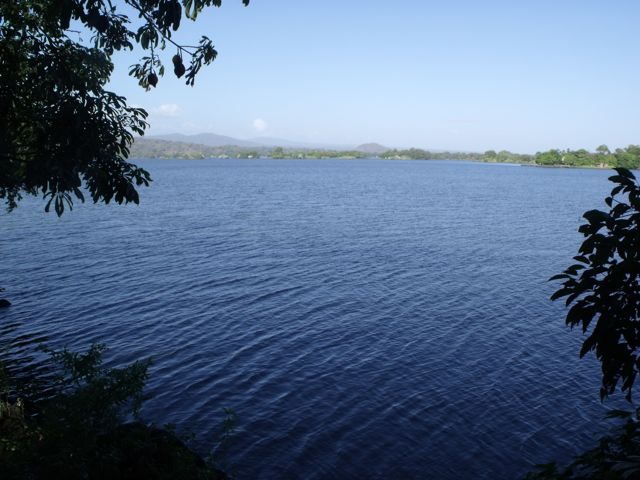
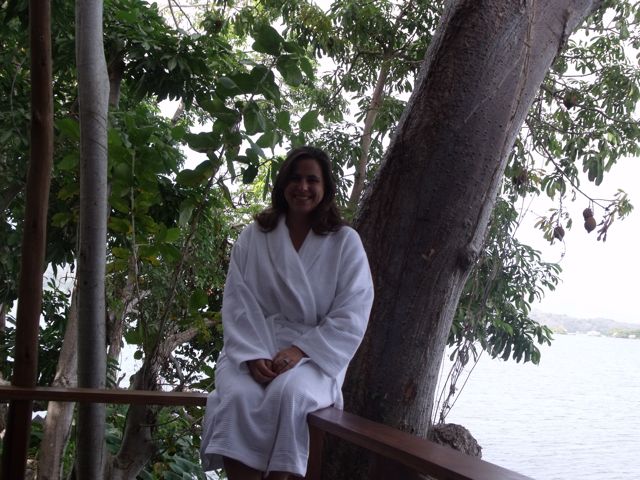
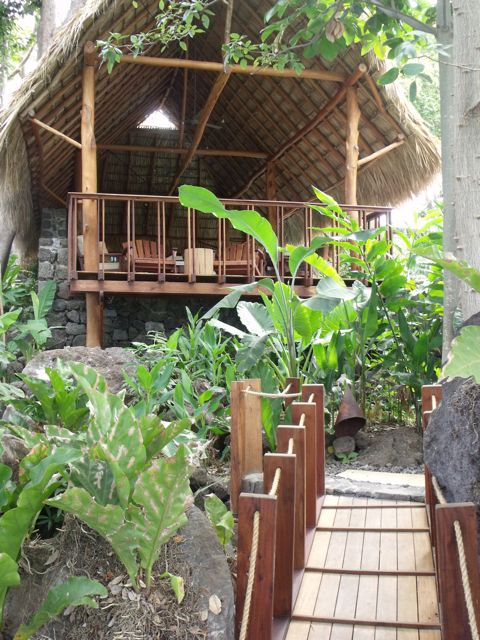
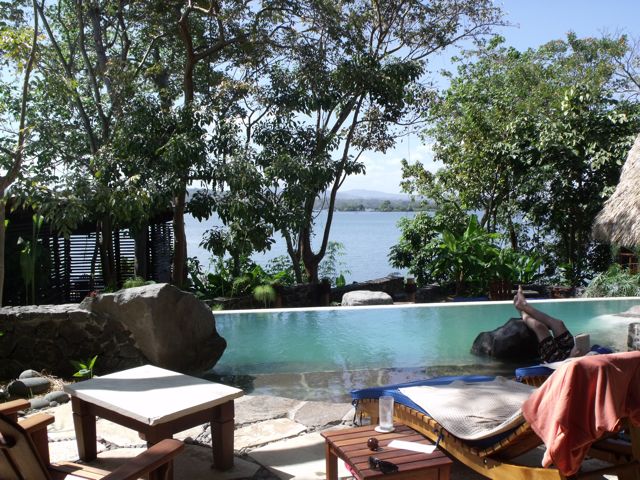
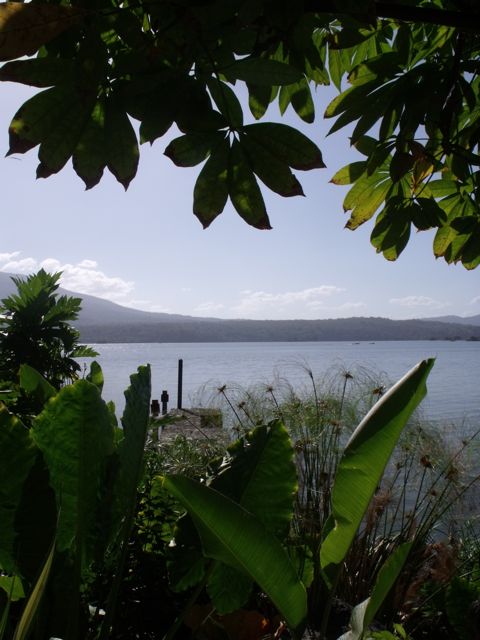
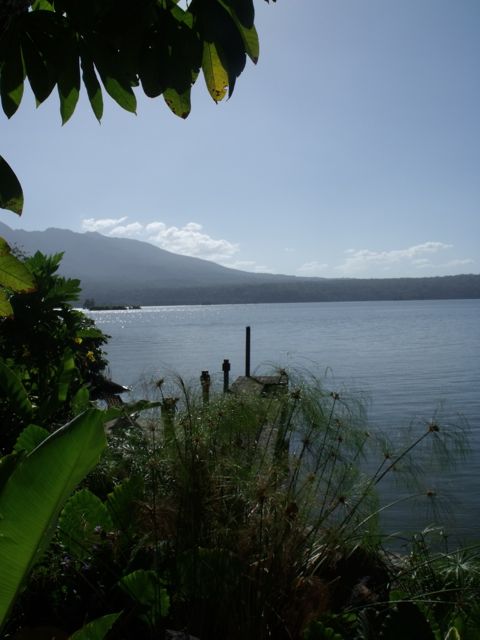
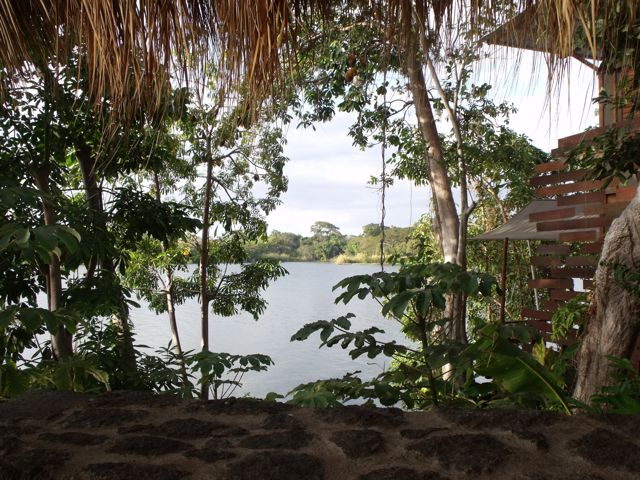
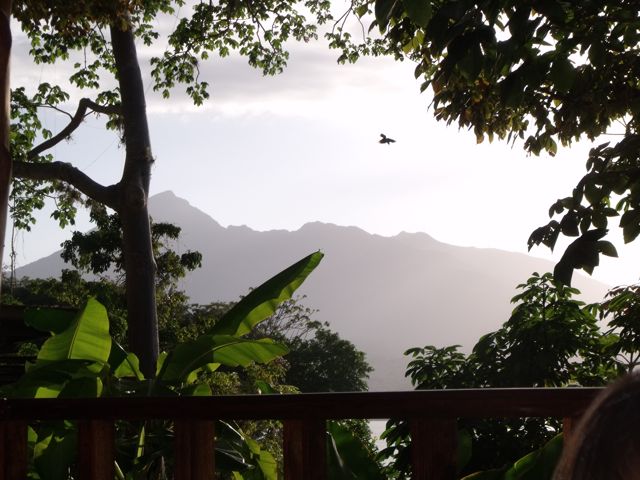
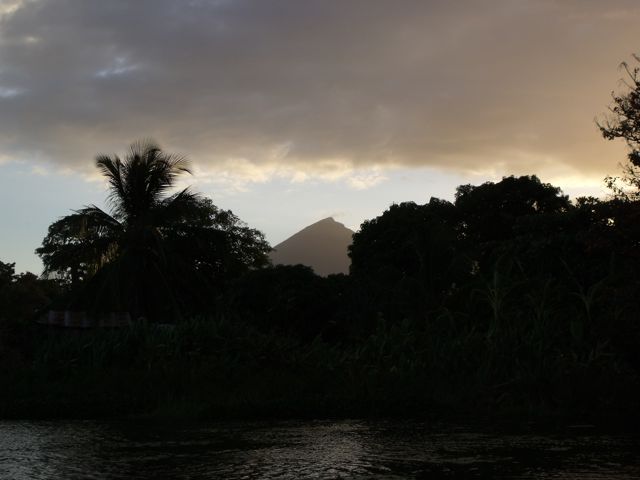
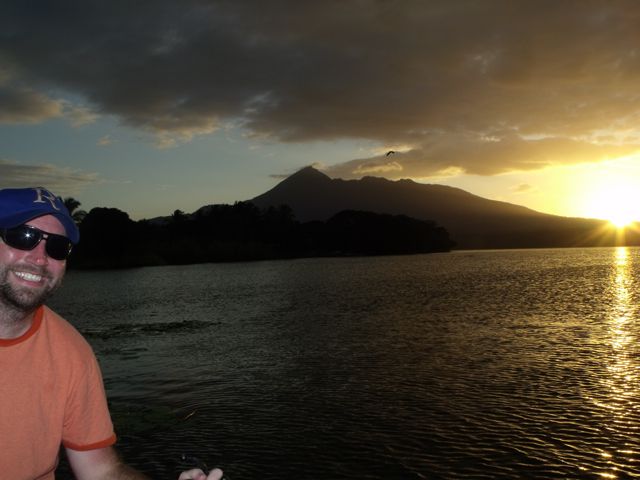
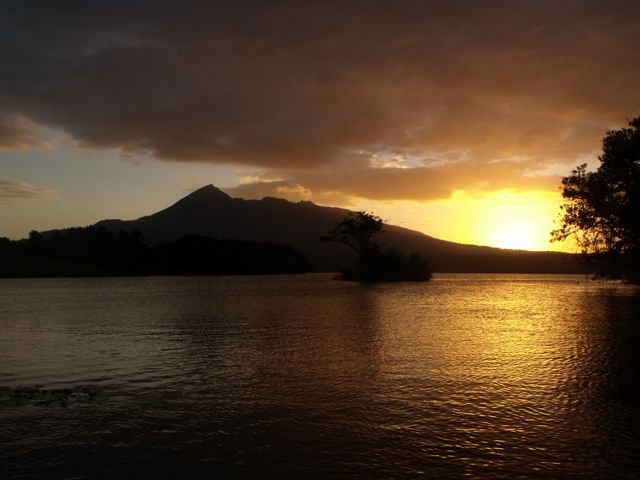
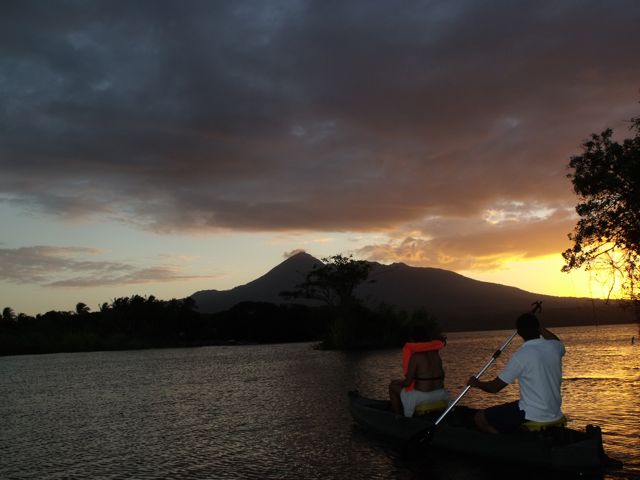
Jicaro Island Ecolodge is Nicaragua´s most upscale nature resort located on a private island in Lake Nicaragua. The lodge is located just a short boat ride from the colonial town of Granada with spectacular views of the Mombacho Volcano across the lake. The entire hotel consists of 9 private casitas, a restaurant, small spa and yoga deck, and numerous outdoor seating areas and lounges.
I cannot say enough positive things about this place! From exquisite service to fine details to gorgeous architecture, this place was heaven on an island. Some people may be familiar with the architect, Matthew Falkiner, who is also behind Morgan’s Rock and Balcones de Majagual. Even more impressive is their commitment to sustainability. Straws, bowls, placemats, and other utensils are made from jicaro. Water is heated with solar panels for guest and kitchen use, no air conditioning is installed on the island, and they use only organic and biodegradable soaps, cleaning detergents and spa products.
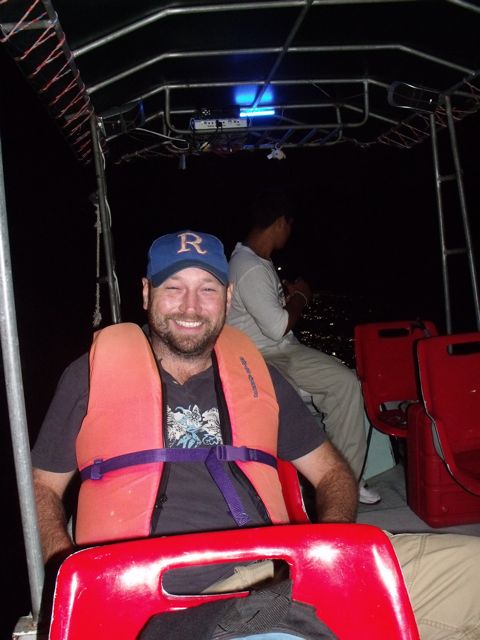
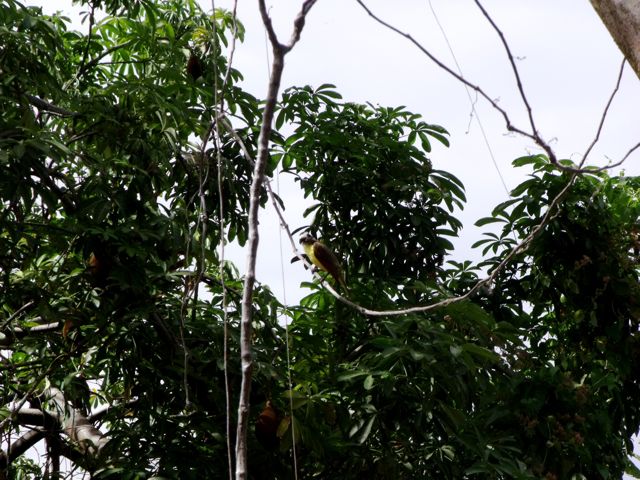
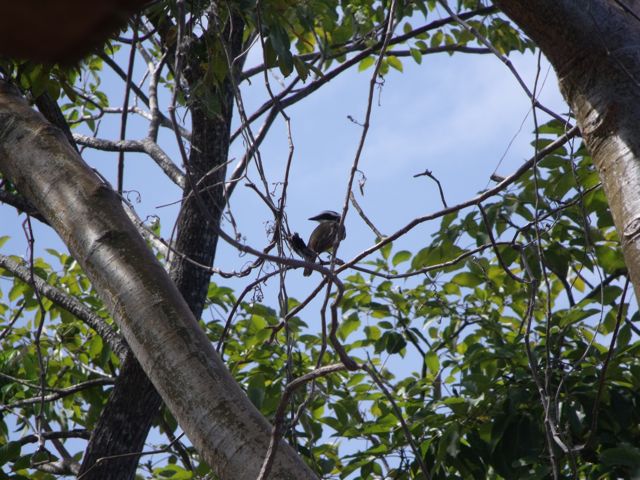
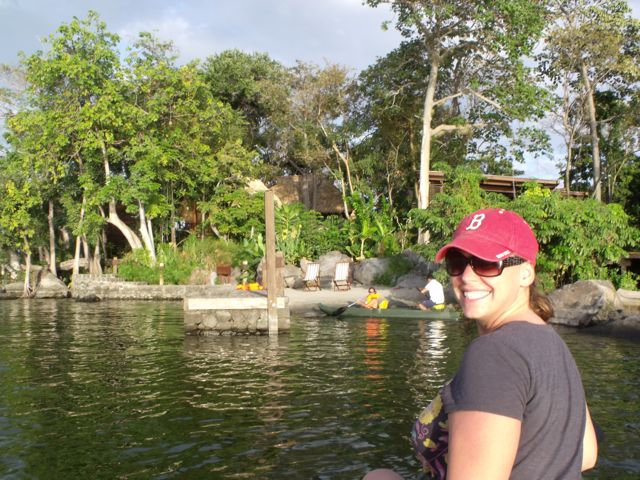
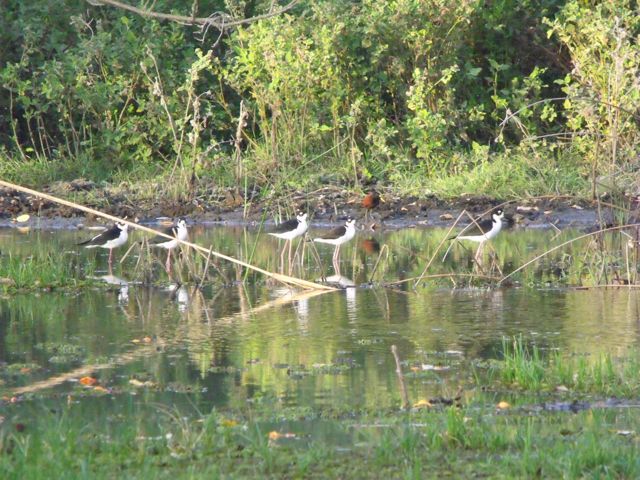
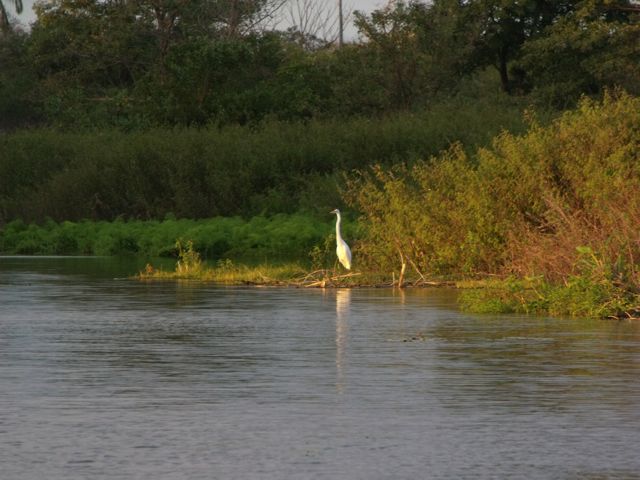
We went out on two kayak trips while at Jicaro – the first at sunset and the second at night, under a full moon. During the first trip, we must have seen over 30 species of birds and Fabian, our guide, said that he counted over 50 in a 24-hour time period. Both mornings, we woke to fresh coffee awaiting us on our private deck.
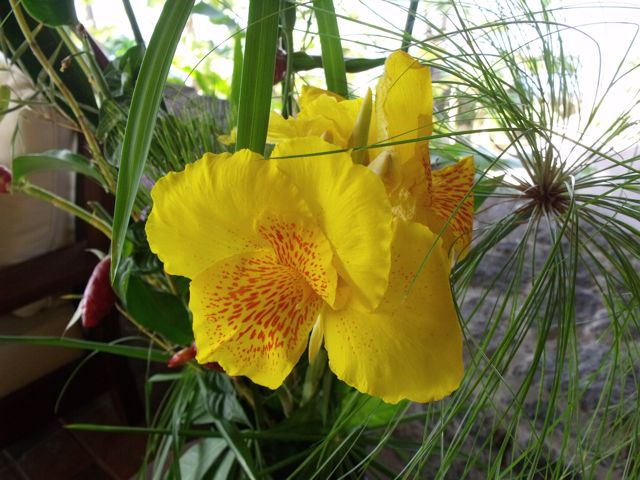
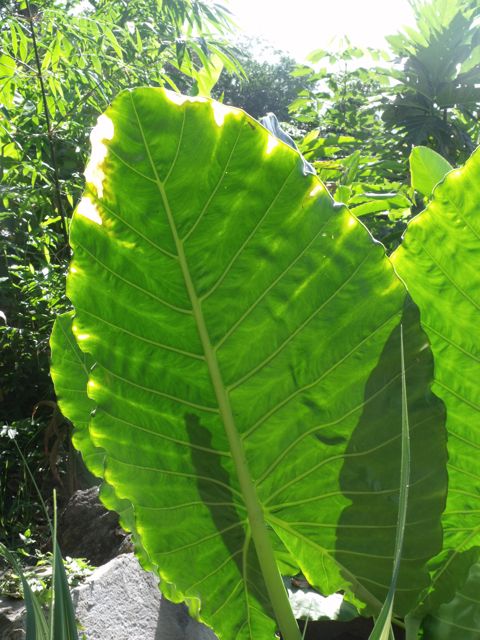
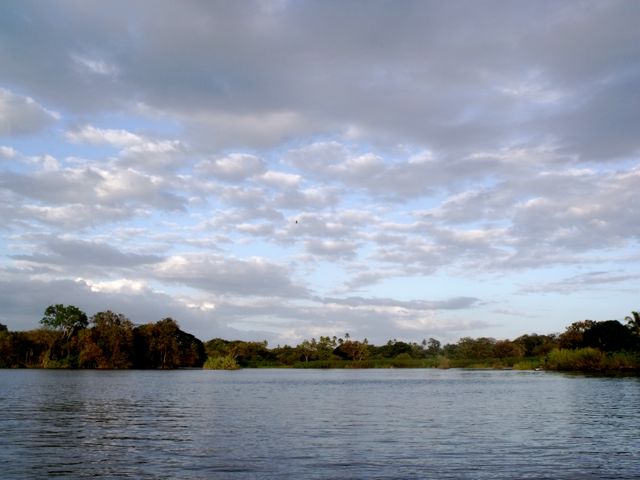
The photos are numerous, but it was just too difficult to narrow down the album, as the entire place was so beautiful:































Each town in Nicaragua has its own Patron Saint. Nicaraguans of all ages honor the saint’s birthday annually with celebrations called fiestas patronales.

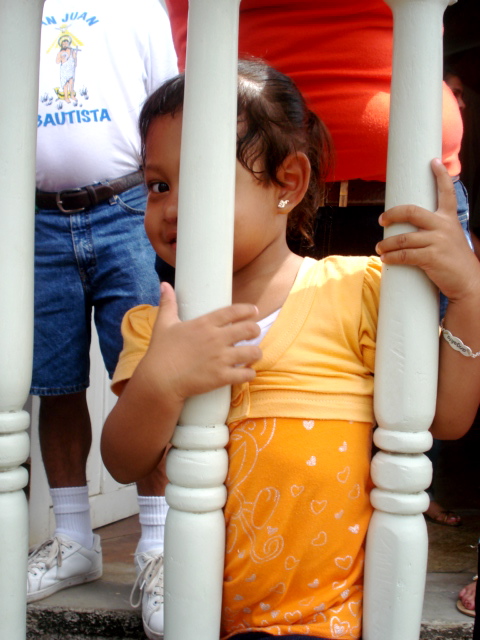
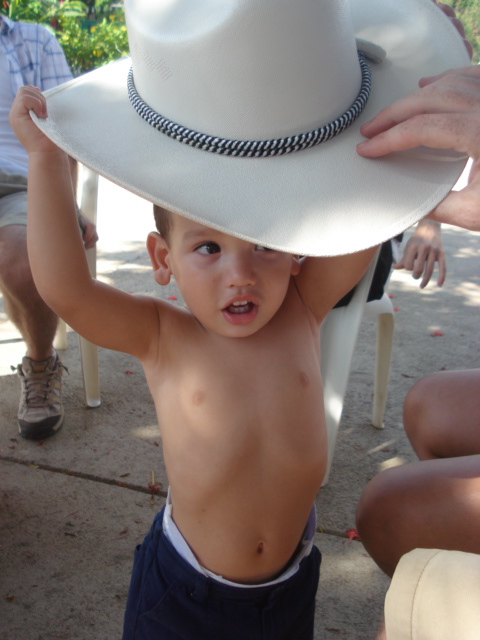
While the purpose is religious, the focus is on music, dance, games, rodeos, and more – including the occasional cervesa or Nica Libre. Along with San Juan de Oriente and San Juan de Jinotega, the community of San Juan del Sur celebrated its patron saint, Saint John, with pride this past week.

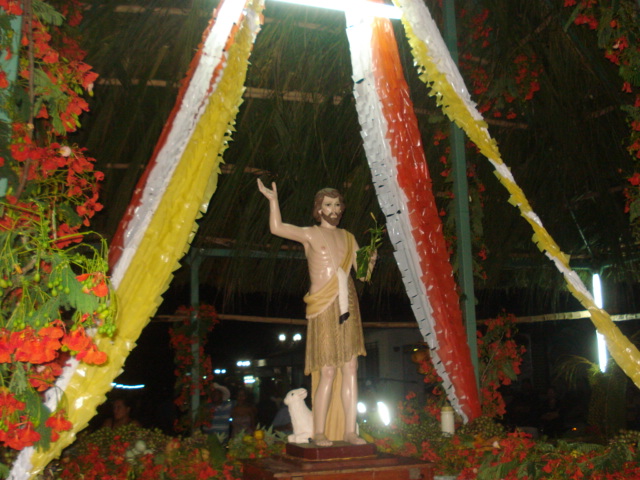
Saturday, June 20th, marked the beginning of San Juan’s 2009 fiesta patronal with a hípica (horse parade) and the coronation of Miss San Juan del Sur. On Sunday, the church held a mass in celebration of all the “Johns.” Monday-Wednesday played host to a series of neighborhood processions of the image of Saint John, as well as to three rodeos.

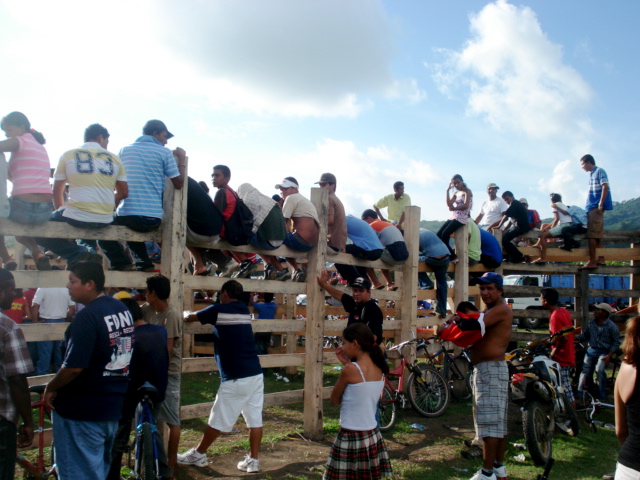
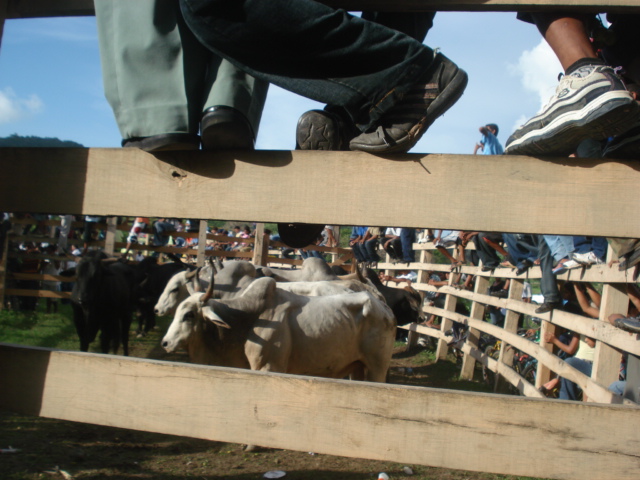
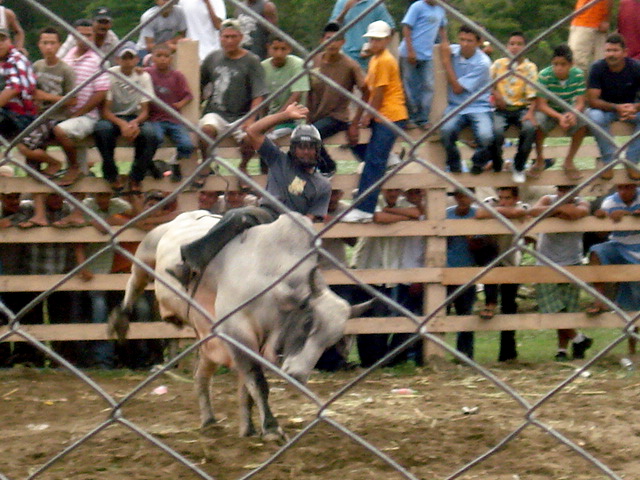

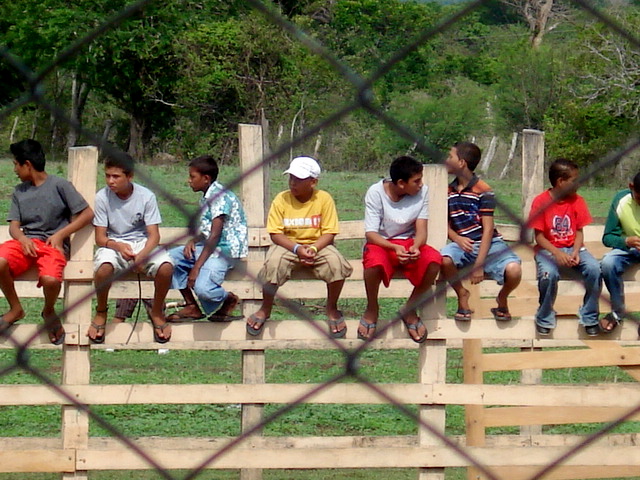
The festivities went into high gear with an all-night celebration on Tuesday evening, complete with a fireworks display, mariachis, marimbas, and a Gigantonas dance-off.



San Juaneños officially honored the birthday of Saint John on Wednesday with folkloric dancers, a final procession of Saint John…


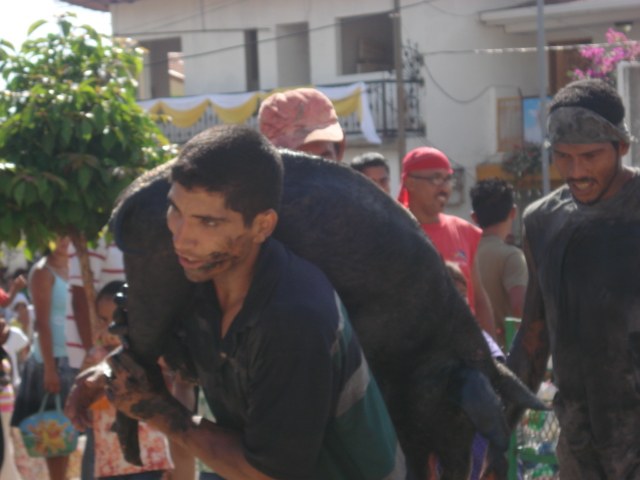
….and my personal favorite – Juegos Bufos (silly games). The games consisted of Palo Lucio (wherein men attempt to climb to the top of a very tall, greased pole), a bicycle race around town, and Chancho Lucio (a greased pig is unleashed in the streets of the pueblo and grown men and children attempt to capture it).
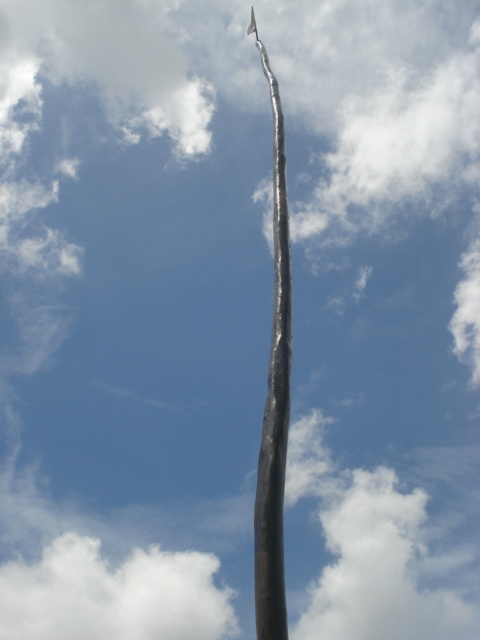

The week of festivities wrapped Wednesday night with a concert on the beach featuring the band Macolla.
By my estimation, Fiestas Patronales was one of the best celebrations in San Juan del Sur, not to be missed! To find out when Fiestas Patronales take place in your town, visit http://www.hechoennicaragua.com/feriados.asp

Camp Shaka is an overnight surf experience for kids between the ages of 12 and 15 located in Santana Beach on the Pacific Coast of Nicaragua. The summer camp consist of 6 days / 5 nights and includes daily surf lessons for beginners, community service, teambuilding exercises, and awesome activities and excursions. Visit www.campshakanicaragua.com for more information.

What to do: San Juan del Sur, on Nicaragua’s southwestern coast, is wedged between the Pacific Ocean and the massive Lake Nicaragua — best known as the home of the world’s only freshwater shark. Just outside San Juan are some of the few perfect beaches left in the world, both accessible to tourists and virtually empty. To the south, Playa Remanso has a soft wave (nice for swimmers and beginner surfers) and a beach bar under a thatched roof. A little farther down the coast is Playa El Coco, where you’re least likely to see any surfers because the waves are puny by Nicaraguan standards. South of El Coco is Playa La Flor, a national wildlife reserve and turtle nesting site where, during the nesting season from July to about January, thousands of turtles crawl up onto the shore. Nicaragua Surf Report gives surfing lessons staring at $50, which includes a ride to the beach and back; non-surfers can also get rides for about $10 round-trip — probably a better bet than renting a car since the roads are harrowing (50 meters behind the Texaco station,info@nicaraguasurfreport.com). For the requisite zip-line jungle canopy tour, stop by Da Flying Frog (Carretera a Marsella, Tel. 505-465-6781; $30). Locals gather for Sunday-morning baseball games between San Juan’s team and neighboring towns at the stadium just south of town.
Where to eat: Restaurants with views line the beach in downtown San Juan, and though they all have similar menus, Josseline’s stands out. A piña colada paired with a whole grilled pargo (red snapper) or churrasco (steak) makes for a great lunch (in front of the Casa Marina condos, Tel. 505-563-7000). The Bambu Beach Club on the north end of the beach is San Juan’s answer to South Beach, with a pool and lounge music and a menu of duck wraps, lobster tempura and yellowfin tuna (Tel. 505-568-2101). On Sundays, try the local tuna sushi at El Pozo (near the market, one block south of the central plaza, Tel. 505-937-4935). Every night on the central plaza facing the church, Vilma Asado grills marinated chicken. A half chicken comes with fried plantains and cabbage salad and costs about $2.50.
Where to stay: Perched on a hill overlooking the town and the bay, Piedras y Olas has individual bungalows with balconies, three infinity-edge pools and one of the best restaurants in town Be sure to try gallo pinto, a flavorful rice-and-bean dish that goes great with fried eggs in the morning (rates from $180 to $300 a night, Tel. 505-563-7000, piedrasyolas.com). Morgan’s Rock is an all-inclusive eco-resort with a private beach, bungalows on stilts and a friendly band of howler monkeys who swing from the tree tops (rates from $219 to $298 per person, per night, including meals. Tel. 506-2-232-6449, morgansrock.com). Surfers should try Dale Dagger’s Hidden Bay Surf Lodge in Gigante. Rooms are spare but clean, and a boat takes guests to remote surfing spots ($1,500 per week, per person, including meals, airport transportation and boat rides, Tel. 505-416-8464, nicasurf.com).
Nicaragua receives some nice press in this Travel and Leisure article from their March issue:

Looking for a relaxing get-away during your Nicaragua vacation? Read on for more info:
My folks just purchased a beautiful 3 bedroom, 2.5 bathroom beachfront condo in Playa Coco, approximately 15 kilometers south of San Juan del Sur, Nicaragua. The home is one of 15 completed condos (5 more are under construction).
In addition to the amenities listed below, Playa Coco Townhomes now offers a beachfront pool, wireless internet, and satellite tv.

Beach front pool


The home boasts oceanfront views

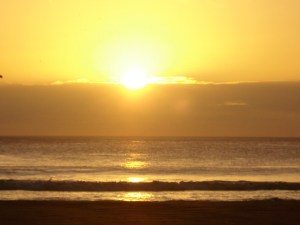
 incredible sunsets,

roof deck, balconies from all three bedrooms,
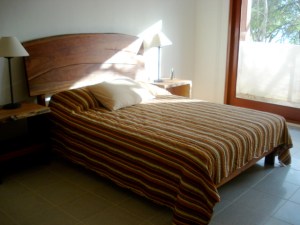

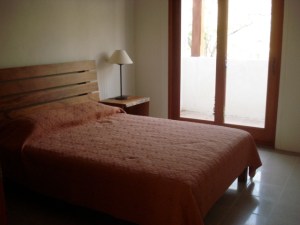
central air conditioning, flat screen television with Bose speakers, fully-equipped modern kitchen,

hand-crafted furniture from Simplemente Madera,
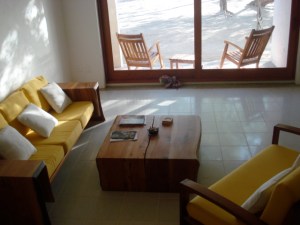
24-hour security, twice weekly housekeeping. The house is on the southern end of Playa Coco with the private Escameca Ecological Reserve to the north and La Flor National Park (known for its protection of Olive Ridley Sea Turtles) to the south.
If you think you might be interested in renting the home, feel free to send me a message or visit their VRBO listing at: http://www.vrbo.com/228210.
This past weekend, we traveled north to Los Robles, a tiny town on the outskirts of Jinotega. Jinotega rests in a small valley, encircled by mountains of cloud forests. Because of its altitude, the climate is vastly different than San Juan del Sur and the south of the country, providing cool nights and temperatures hovering between 18-22 degrees. Thanks to a wetter climate, the region stays green year-round.
Friends of ours were nice enough to invite us to stay on their organic coffee farm, Finca El Peten, which sits on the shores of Lago Apanas, Nicaragua’s first artificially created lake. The Apanas Lake is the most important provider of hydroelectric power in Nicaragua.
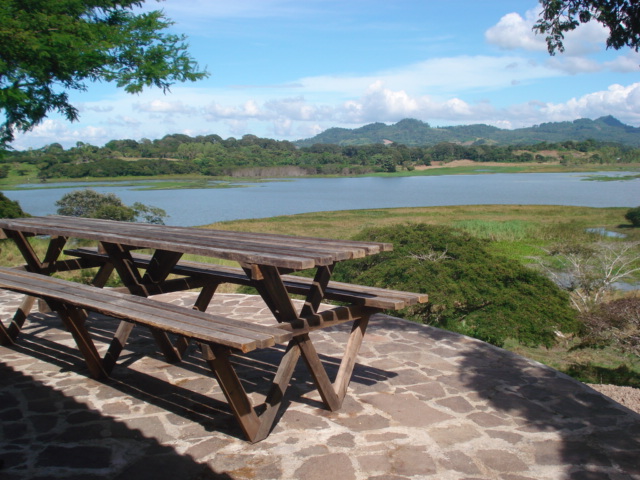
View of Lago Apanas
The farm produces organic sustainable shade grown estate coffee, which essentially means that they have large shade trees of many varieties at the highest canopy level and banana trees at a lower level. This not only maintains the biodiversity of the forest but also the habitat of the birds and animals.

Coffee in its various stages

After a semi-trecherous, dark drive along the Guayacan, the newly constructed highway out to Jinotega, we arrived just in time for a dinner of ribs, and a serenade from some local musicians who work on the farm. Combined with a few nica-libres, we all fell into a happy stupor of rum, carne, and song. As the night progressed, one by one, people excused themselves to their rooms in the rustic hotel for a deep sleep in the cool mountain air.

Singing along with the band
We awoke in the morning to a hearty breakfast of french toast, gallo pinto, and of course, coffee. While we ate, El Jefe, the father of many of the guests, set about stewing up a soup on the outdoor fire. For over 4 hours, the soup simmered slowly as he added various ingredients to the cauldron, including beef, plantains, cabbage, squash, and noodles. Like kids at a summer camp being summoned to the mess hall, El Jefe called us all to almuerzo (lunch) in the giant family-style kitchen just after 1 in the afternoon. Combined with a side of rice and a slice of avocado, everyone devoured the delicious sopa and promptly disappeared for mid-afternoon naps.

La Sopa
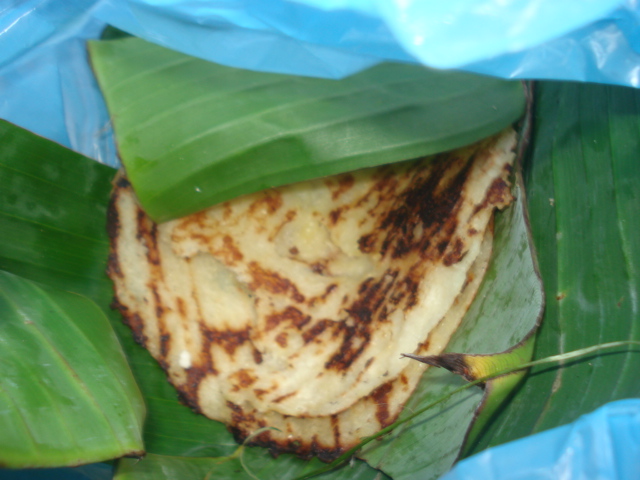
güirilas
sweet tortillas made from young corn, and a bit of cuajada (fresh white cheese known to the northern regions of the country).



 An Expat Life in Nicaragua